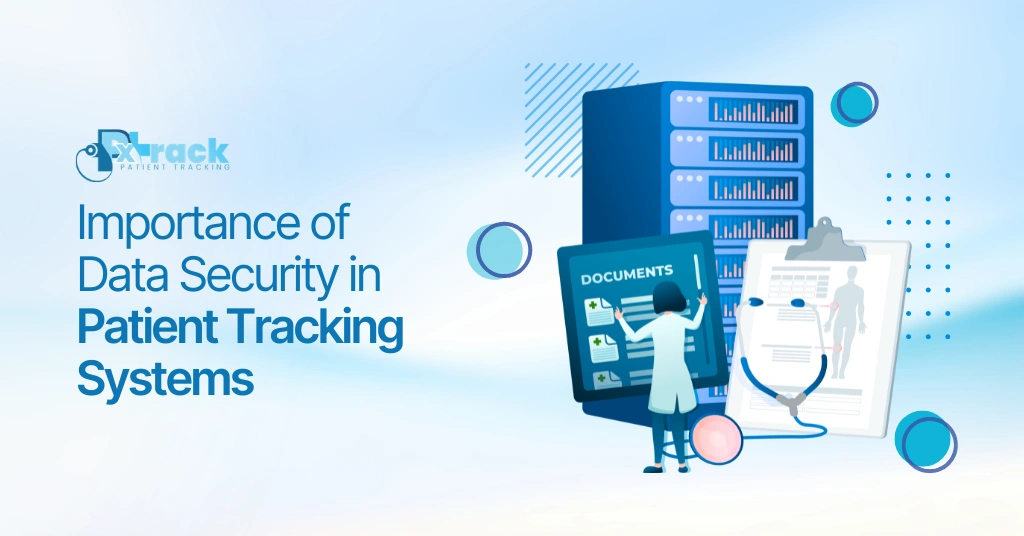
Importance of Data Security in Patient Tracking Systems
Healthcare organizations manage vast amounts of sensitive patient data every day. As digital tools like patient tracking systems, EHR software, and EMR platforms become essential to operations, the volume of stored information continues to grow. With that growth comes increased exposure to cyber threats.
Protecting patient data is no longer optional but critical to operational stability, regulatory compliance, and institutional trust.
What is Data Security?
When we say data security, it refers to the preventive measures implemented in software or technology to guarantee the confidentiality of digital information. In the healthcare industry, data security aims to keep patient information protected at all times.
If systems or software are unsecured, hackers can access patients’ personal information and use it to commit medical fraud and other malicious activities. For this reason, healthcare facilities such as clinics, hospitals, and laboratories must determine the causes of data breaches and implement stronger security solutions to prevent them from happening again.
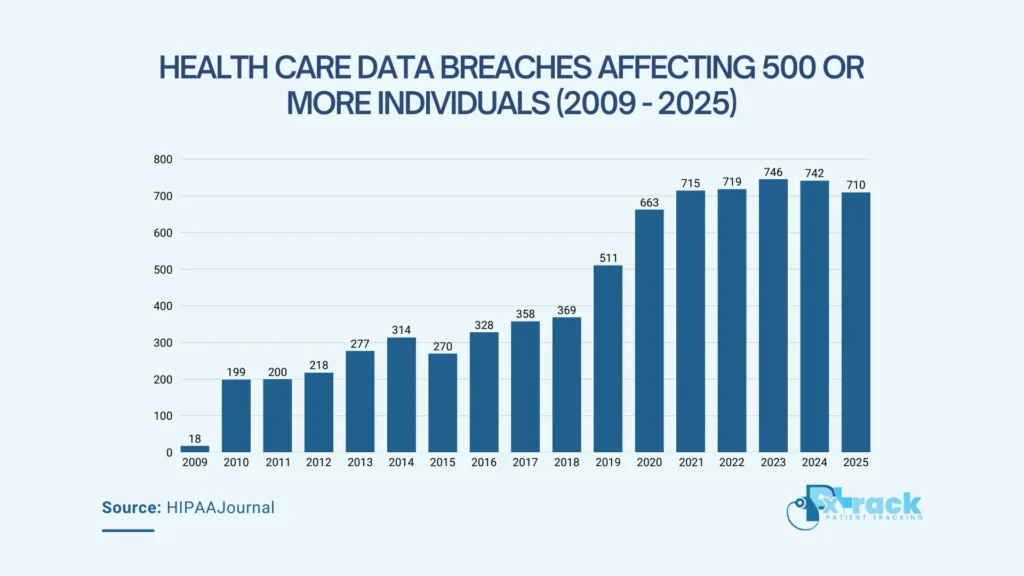
Source: HIPAAJournal.
As you can see, healthcare data breaches affecting 500+ individuals increased sharply from 18 in 2009 to over 300 by 2014. There was a slight dip in 2015. The numbers rose again and passed 500 in 2019. Breaches then jumped to 663 in 2020. They stayed high from 2021 to 2024, peaking at 746 in 2023. In 2025, cases declined slightly to 710. Overall, the trend shows a sustained rise, especially after 2019.
This upward trend is driven by the growing volume and detail of information collected and stored in healthcare facilities, including patients’ names, dates of birth, addresses, contact details, payment information, social security numbers, and more. Because of the sensitive nature of this data, healthcare institutions remain prime targets for cyberattacks.
Thankfully, in the Philippines, Republic Act No. 10173, more commonly known as the Data Privacy Act of 2012, was enacted to protect personal information in information and communication systems across both government and private sectors. The law mandates organizations, including healthcare providers, to implement appropriate data protection measures to safeguard patient information.
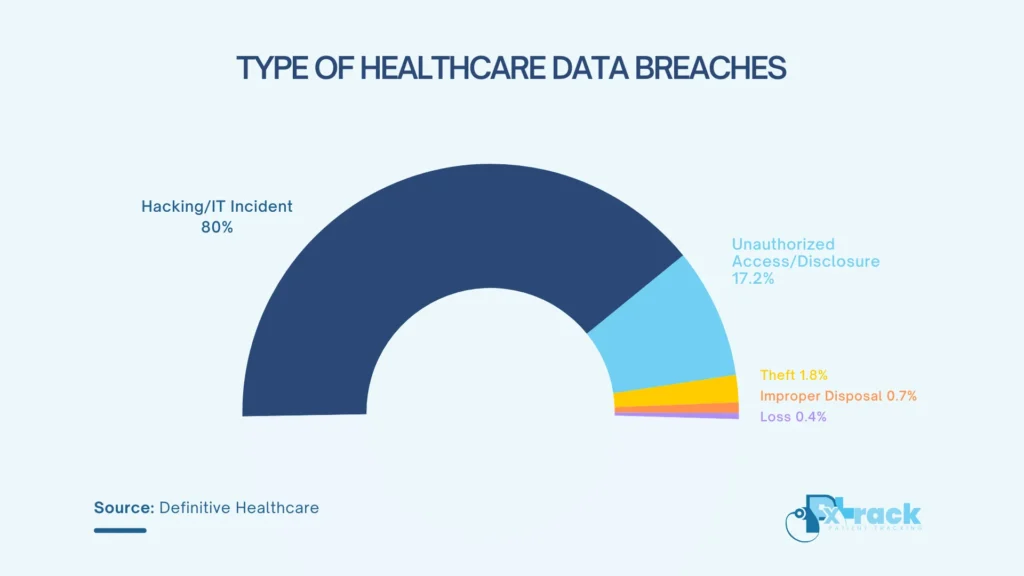
Source: Definitive Healthcare.
What Causes Failures in Data Security?
It is important to implement the required security measures when developing patient tracking systems and other medical software such as EHR and EMR platforms. Below are some of the common reasons why healthcare facilities experience data breaches and security failures:
Use of Outdated Systems
Outdated systems often lack updated security features needed to protect patient information. As a result, hackers can exploit vulnerabilities and gain unauthorized access to sensitive data. Upgrading from legacy systems to newer, more secure patient tracking solutions helps reduce this risk.
Malware from Emails
As technology advances, cybercriminals continue to refine their tactics. Staff may unknowingly install malware after clicking links or downloading attachments from emails that appear to come from vendors, suppliers, or customers. Continuous vigilance and proper email security practices are essential to prevent these attacks.
Internal Breaches
Security risks can also originate internally. Disgruntled employees, contractors, or vendors may attempt to access or misuse patient information. In some cases, data may be shared publicly or sold, causing serious reputational and legal consequences.
Inadequate Wireless Network Security
Wireless networks offer convenience but can introduce vulnerabilities if not properly secured. Strong passwords, access-level controls, and two-factor authentication help protect networks from unauthorized access. Without these safeguards, attackers may infiltrate systems and extract sensitive data.
Weak Passwords
Weak passwords remain a common cause of security breaches. Simple or reused credentials make it easier for attackers to gain access to systems. Enforcing strong password policies and requiring regular updates significantly reduces the risk of unauthorized entry.
Ensure Data Security with a Patient Tracking System
Implementing proper data security measures is essential to keep patient information protected at all times. Doing so helps healthcare facilities maintain patient trust while safeguarding the reputation and credibility of the institution.
Look for an EMR system that meets regulatory standards for data security. With the PxTrack Electronic Medical Records System, your patient information is securely stored and managed. Contact us today to schedule your free demo!

This article was updated on February 27, 2026.
Frequently Asked Questions
Why is data security important in healthcare?
Healthcare data contains sensitive personal and medical information. Without proper security, unauthorized access can lead to identity theft, medical fraud, and legal penalties for healthcare facilities.
What types of data are at risk?
Patient data at risk includes names, dates of birth, addresses, contact information, medical history, social security numbers, and payment account details.
Can a patient tracking system like PxTrack ensure data security?
Yes. PxTrack EMR software follows strict security protocols and compliance regulations to keep patient data confidential, reducing the risk of breaches. Contact us for a free demo.