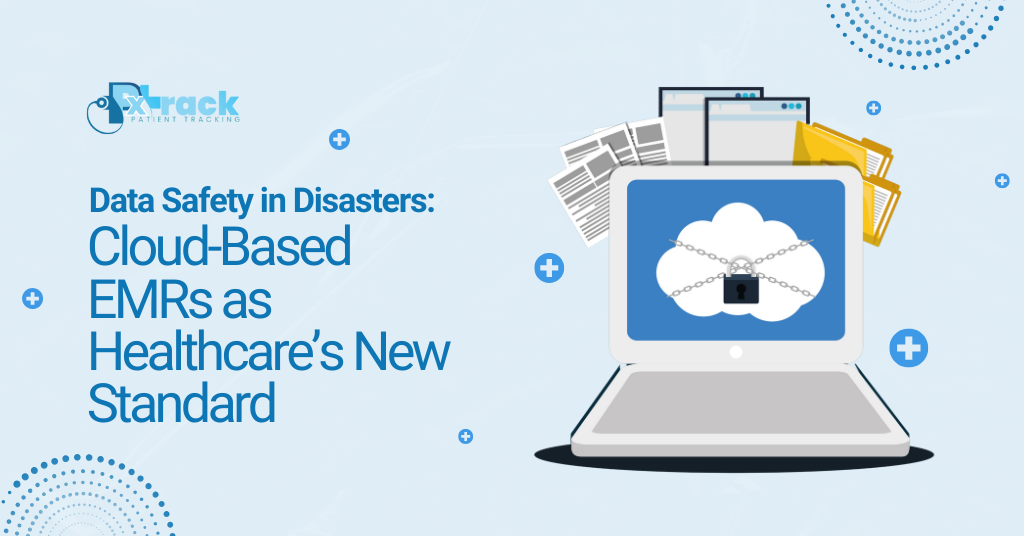
Data Safety in Disasters: Cloud-Based EMRs as Healthcare’s New Standard
Natural disasters are a frequent challenge to the Philippine healthcare system. Hospitals and clinics may experience infrastructure damage, patient surges, and power outages. These disruptions can hinder medical care, including access to patient records. To ensure continuity in patient care, many healthcare providers adopt cloud-based Electronic Medical Records (EMR) systems.
According to the latest World Risk Report, the Philippines holds the highest position on the World Risk Index among 193 countries. This highlights the country’s exposure to various disasters, including:
- Earthquakes;
- Floods;
- Volcanic eruptions, and
- Typhoons.
Therefore, relying solely on traditional healthcare processes is inadequate for addressing the changing demands during emergencies.
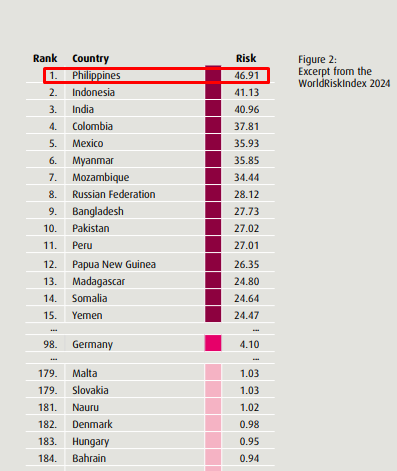
Source: Bündnis Entwicklung Hilft.
Understanding Cloud-based EMRs
Data security is critical in healthcare, as it directly impacts patient care outcomes, privacy, and trust. Thus, it’s essential to maintain the integrity and availability of medical records, especially during emergencies.
By utilizing cloud-based Electronic Medical Records systems, healthcare providers in the Philippines can achieve unparalleled disaster preparedness. After all, these systems allow access to records from any location with Internet connectivity.
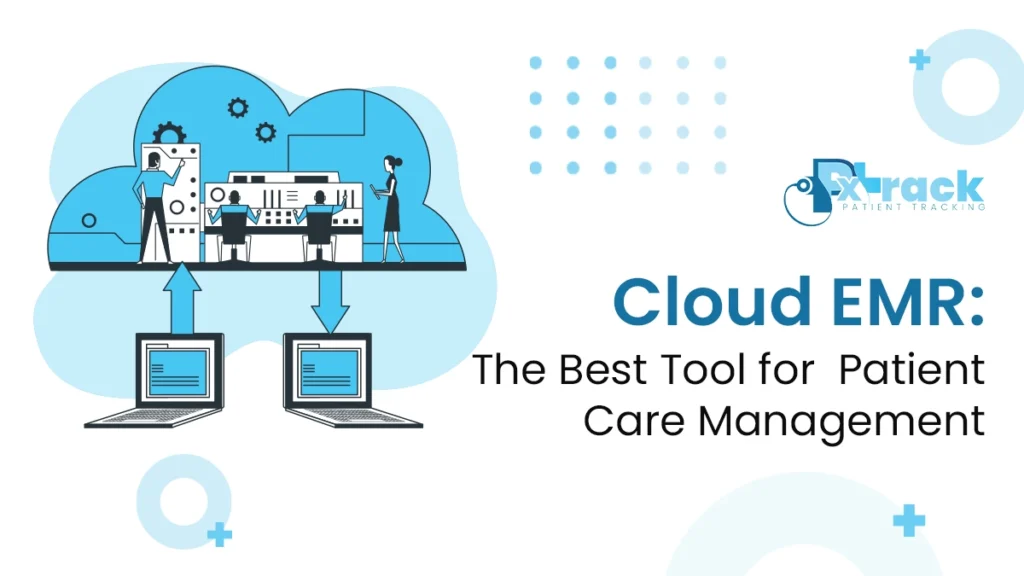
Cloud-based EMRs store digitized versions of patient medical records and can be managed remotely via the Internet.
Furthermore, a cloud-based system can facilitate everything from patient history tracking and test results to treatment plans and medical billing.
The software simplifies patient care management through secure, centralized, and easily accessible data storage. As a result, healthcare professionals can provide faster, more coordinated care.
Advantages of Adopting a Cloud-Based EMR System to Address Evolving Needs
According to BusinessWorld, almost half of resident doctors’ time is devoted to inputting patient health information.
However, adopting a cloud-based Electronic Medical Records system can significantly transform how medical professionals manage patient records, especially during emergencies.
Here are the advantages of utilizing cloud-based software:
Enhanced Accessibility
Cloud-based EMRs allow physicians to access patient records from any location, whether it’s a hospital, clinic, or remote care setting. This kind of flexibility is critical during disasters when access to patient records is compromised.
Hence, doctors can continue to provide care without interruption, even if local servers are damaged.
Improved Security
Cloud-based Electronic Medical Records systems are equipped with advanced encryption and cybersecurity measures.
This includes multiple layers of security protocols, such as Two-Factor Authentication (2FA) and Structured Query Language (SQL) backups to prevent data loss.
As a result, data remains secure and compliant with regulations, even during chaotic times.
Scalability
As your healthcare services expand, so does the demand for data storage.
A cloud-based EMR is a scalable solution that can adapt to increasing volumes of patient data without requiring additional software downloads. Thus, it can accommodate your healthcare practice’s changing needs without disruption.
Streamlined Collaboration
A cloud-based Electronic Medical Records system can improve communication and collaboration between healthcare providers, medical staff, and patients.
Of course, doctors can assign medical secretaries to access and update patient records in real-time, facilitating better coordination of care.
Moreover, medical practitioners can also set up patient appointments and consultation schedules in the EMR system.
The Importance of Disaster Recovery and EMR Backup Solutions
Data loss or corruption can occur during disasters. Losing critical patient information can compromise patient care outcomes, resulting in financial loss and reputational damage.
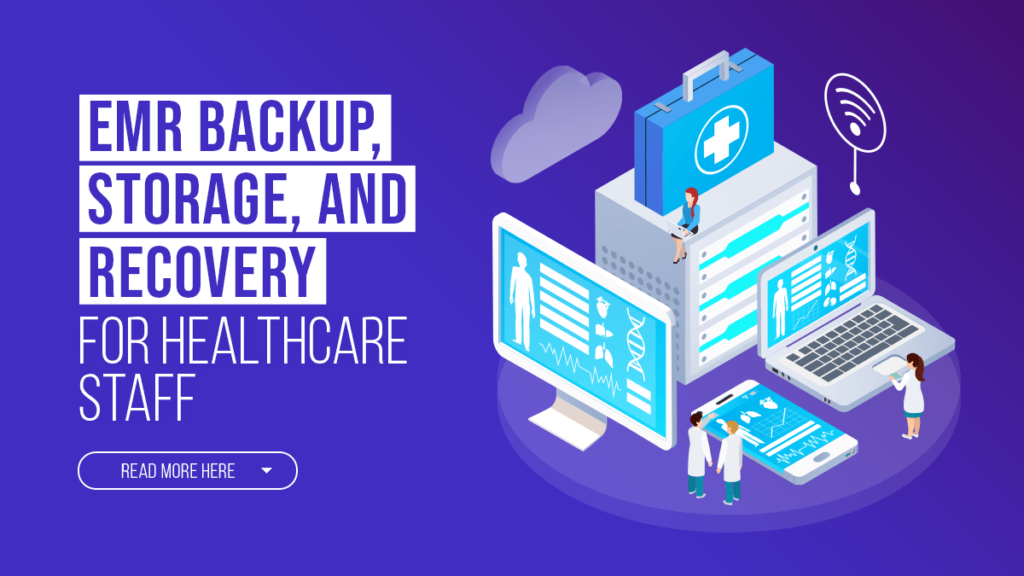
Fortunately, a cloud-based Electronic Medical Records software is equipped with robust backup and recovery capabilities. This allows doctors to resume normal operations and recover data, even at the most challenging times.
Cloud-based EMRs are efficient for data recovery and backup due to the following reasons:
- Automated backups and recovery plans ensure that data is regularly saved before disruptions and easily restored after.
- Convenient access to patient data anywhere and on various Internet-enabled devices, such as tablets, mobile phones, etc.
- Secures patient data while ensuring complete access to patient records during and after disasters.
Utilize Cloud-Based EMRs for Improved Patient Care
In a country where natural disasters and emergencies are becoming more frequent and unpredictable, healthcare providers should prioritize preparedness and resilience.
Adopting a cloud-based Electronic Medical Records system is an efficient solution to safeguard patient data, ensure seamless access, and maintain uninterrupted care during crises.
The shift to cloud-based EMRs is more than just a technical upgrade — it’s a commitment to providing better, safer, and more improved overall patient care.
If you’re looking for reliable, secure, cloud-based EMR software, PxTrack is a system that efficiently adapts to changing patient needs, even during disasters.