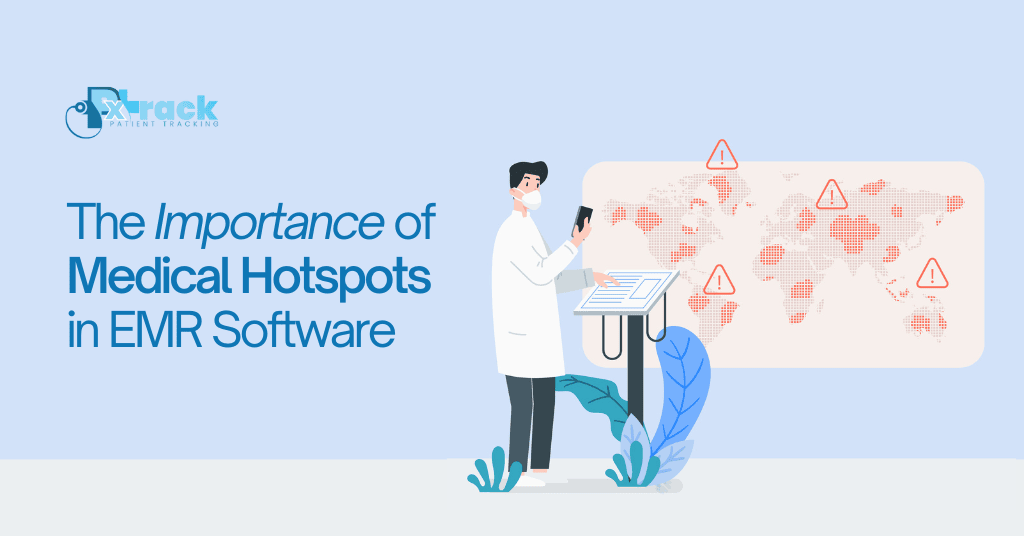
The Importance of Medical Hotspots in EMR Software
Electronic Medical Records (EMR) software plays a vital role in modern healthcare management, particularly in patient tracking and analyzing data. With global health threats continuing to evolve, the healthcare industry faces the critical challenge of controlling disease spread and aiding affected individuals.
Some of the innovative tools to monitor illnesses come in the form of heatmaps, which enable healthcare professionals to identify medical hotspots.
What are Medical Hotspots?
In a medical context, hotspots refer to a region or geographical area with a high concentration of infections or other health issues. Medical hotspots can also describe areas with higher rates of transmission and where diseases reemerge.
Epidemiologist Justin Lessler, a John Hopkins professor in Baltimore, Maryland, has contributed significantly to how medical hotspots are defined today. In his article, “What is a Hotspot Anyway?” he stresses the importance of spatial clusters in infectious disease epidemiology. He also calls for better terms to describe these areas.
However, this broad definition has caused confusion, especially among individuals who use it in policy and practice documents. So, Lessler suggested using specific modifiers to make terms more understandable. Here are some examples:
- Transmission or risk hotspots are areas of elevated transmission efficiency or a higher risk of disease acquisition.
- Emergence hotspots are areas with an increased probability of disease emergence or reemergence.
- Burden hotspots are areas of elevated disease prevalence or incidence.
The Importance of Medical Hotspots
Medical hotspots are one way to monitor or track the emergence, prevalence, and transmission of diseases. It enables healthcare professionals to gain invaluable insights for managing and mitigating public health challenges. Thus, it’s become possible for healthcare experts to check the progress of a particular illness or disease.
Medical hotspots can assist with the following:
- Monitoring disease spread;
- Allocating resources;
- Tracing origins, and
- Targeted intervention.
Now, heatmaps play a crucial role in visualizing medical hotspots by using color gradients to represent the density of disease cases within a specific area. Therefore, it provides an intuitive and immediate visual representation of where diseases are most prevalent.
Fortunately, heatmaps can be integrated into an Electronic Medical Records system to track and respond to health trends effectively.
The Role of Heatmaps in EMR Software
A heatmap allows healthcare professionals to provide actionable insights through location-based disease mapping. This notable feature is integrated in the latest version of the PxTrack Electronic Medical Records software. Through this feature, you can monitor the various medical hotspots in your area.
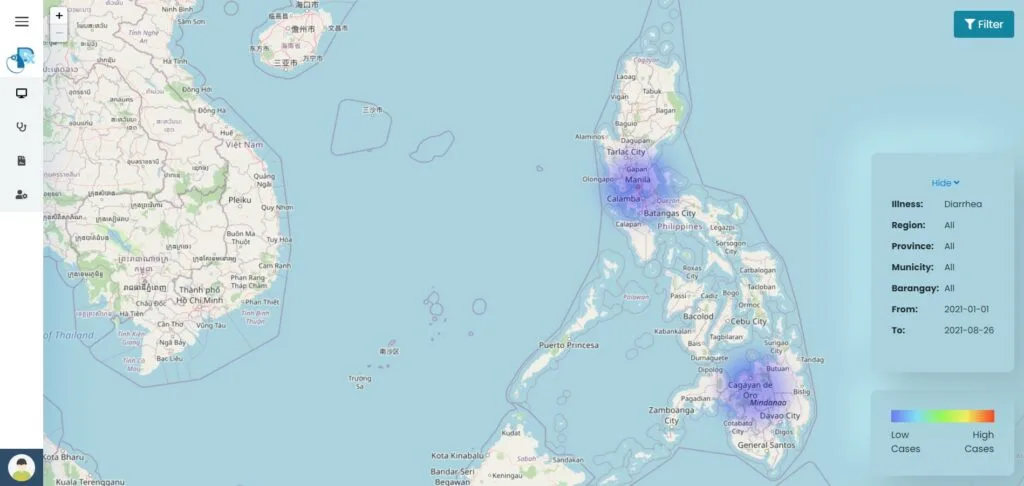
This feature also allows you to view the density of various illnesses or diseases by location as presented through a map. For instance, a heatmap can show you flu, cold, and dengue hotspots.
Here’s how a heatmap within an EMR system works:
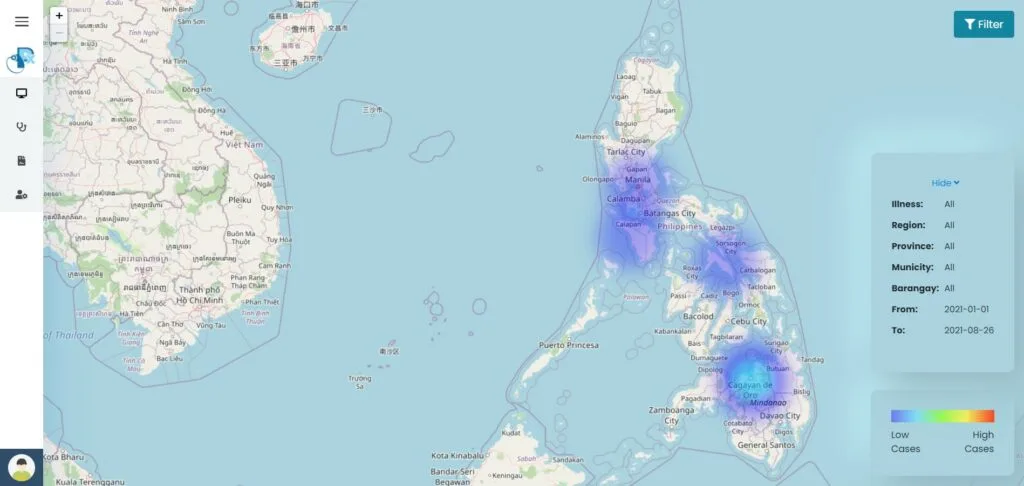
Density Mapping
The heatmap feature uses a gradient color scheme to represent the concentration of illness. Areas with low case density are displayed in blue, while those with high case density are in red.
Customizable Filters
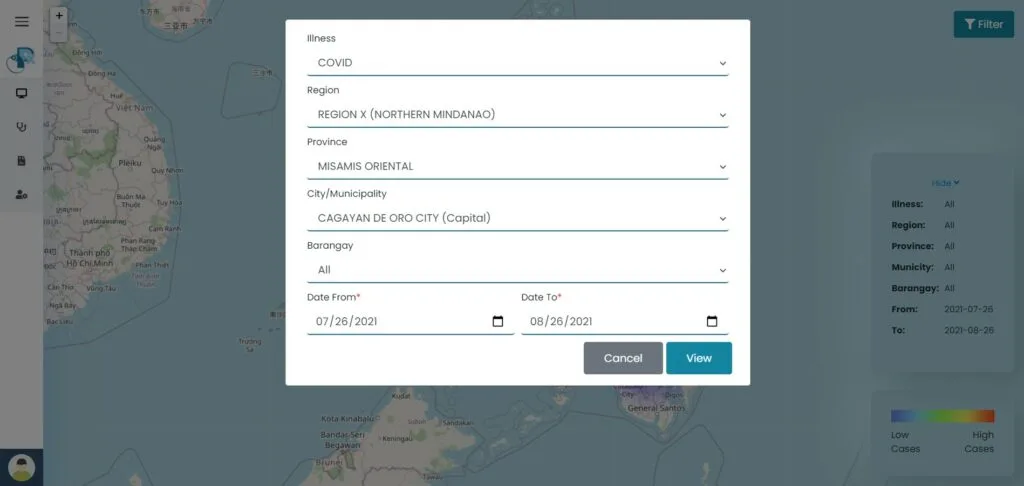
Doctors and authorized medical staff can refine the data to show specific diseases, timeframes, or regions.
Actionable Insights
A heatmap also allows medical practitioners to prepare appropriate responses by analyzing trends in disease spread. This includes:
- Stockpiling medication;
- Adding more medical staff, or
Partnering with private and government offices to launch awareness campaigns.
5 Benefits of EMR Systems with Heatmaps
Having an EMR with a heatmap offers several advantages, promoting efficiency and effectiveness in patient care.
Real-time Monitoring
An EMR system with a heatmap feature allows the real-time tracking of disease spread and patient outcomes. Such monitoring helps to identify new hotspots, enabling them to prevent potential outbreaks.
Data-driven Decision-making
Overlaying health data onto geographic maps allows for more informed and strategic decision-making. In fact, healthcare providers can use the data as a means to distribute the necessary resources, plan public health initiatives, and prioritize medical interventions in areas that will need them the most.
Enhanced Visualization of Disease Patterns
An EMR with a heatmap tool provides a visual representation of areas with a high prevalence of diseases. As such, it’ll help health professionals find disease-dense areas, respond faster and target interventions better.
Improved Resource Allocation
With detailed visual data, healthcare facilities can better allocate resources to where they’re needed most. This focuses efforts where they can have the most impact, optimizing resources.
Patient-centered Care
Heatmaps help healthcare professionals find high-risk areas and focus on patient-centered care. For instance, clinics can offer targeted screenings and preventive measures to at-risk populations. This approach improves patient care and reduces the burden of disease.
Monitor Medical Hotspots Through the PxTrack Heatmap!
The heatmap feature in PxTrack Electronic Medical Records software allows you to identify areas where your healthcare services are in greatest demand. Integrate this EMR system into your healthcare facility’s processes and see your work efficiency and productivity improve!
Monitor medical hotspots in your area by using a reliable EMR from the Philippines with a heatmap feature.
This blog was updated on November 29, 2024.
Frequently Asked Questions About Medical Hotspots
What role do EMR heatmaps play in managing medical hotspots?
An EMR with a heatmap helps medical practitioners in allocating resources and planning interventions efficiently. It provides real-time data, enabling healthcare professionals to focus their efforts on the most affected areas and optimize their response strategies.
How can EMR heatmaps improve public health policies for medical hotspots?
EMR heatmaps can provide data-driven insights for policy-making. It can highlight trends and patterns in disease spread, allowing policymakers to develop targeted strategies and preventive measures to control and mitigate health issues.
Can heatmaps in EMR systems be customized for specific diseases?
Yes, medical professionals can use customizable filters to focus on specific diseases, timeframes, or regions, enhancing targeted monitoring and intervention efforts.