How EMRs Enable More Patient-Centered Endocrine Care
Women living with endocrine disorders require care that goes beyond routine checkups. Delivering effective endocrine care with EMRs is essential for managing thyroid disease, PCOS, and complex hormonal imbalances that affect reproductive health, metabolism, and long-term wellness. These conditions are dynamic and require precise, ongoing monitoring.
A one-size-fits-all approach may no longer be effective. Patients require individualized care that adapts as hormonal profiles change. Managing medication titrations, tracking cycles, and coordinating across specialties is challenging with paper charts or fragmented systems.
EMRs centralize clinical data, enabling physicians to deliver precise, patient-focused endocrine care consistently and efficiently.
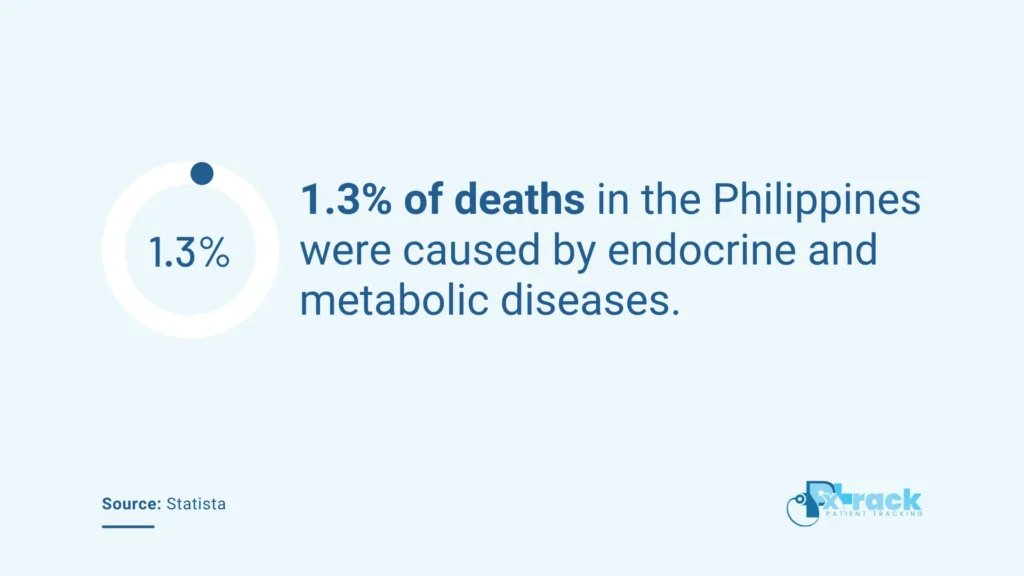
Source: Statista.
Understanding Patient Endocrine Needs
Endocrine care requires more than a single lab result. It demands a comprehensive view of hormonal patterns over time.
An EMR enables physicians to record the following:
- Thyroid hormone levels (TSH, Free T3, Free T4)
- Reproductive hormone profiles
- Menstrual cycle history
- Metabolic markers such as glucose and lipid levels
- Imaging and diagnostic findings
- Symptom progression and treatment responses
When this information is structured and accessible in one system, clinical interpretation is clearer. Trends can be reviewed over time, allowing early identification of subtle hormone changes and more precise medication adjustments.
For example, adjusting levothyroxine in thyroid disease requires tracking TSH levels and symptoms. In PCOS management, doctors consider metabolic parameters, menstrual irregularities, and androgen levels together. EMRs enable efficient visualization and correlation of these data points.
Additionally, digital tracking ensures that no relevant variable is overlooked. Instead of relying on fragmented notes or patient recall, doctors can make decisions using fully organized medical records. This level of organization supports accurate diagnosis and optimized treatment pathways.
Enhancing Communication Among Physicians
Endocrine care is rarely handled by one doctor alone. A patient with PCOS may see a gynecologist, an endocrinologist, and a primary care provider. Without proper documentation, important details from other specialists can be missed or inconsistently recorded.
EMRs improve coordination by providing a centralized system for clinic staff. Doctors and authorized staff can enter lab results, referrals, treatment notes, and medication changes from external providers into the patient’s record. This consolidates all relevant information in one structured system.
By maintaining a complete, organized record within the clinic, providers reduce medication errors, prevent missed interventions, and deliver safer, more consistent endocrine care.
Supporting Personalized Endocrine Treatment Plans
Endocrine treatment for conditions like thyroid disorders, PCOS, and other hormonal imbalances requires ongoing adjustments based on lab values, symptom progression, and metabolic indicators. Using EMRs like PxTrack, for example, helps physicians manage these complexities with structured, data-driven tools:
- Tailored treatment decisions: Lab results, hormone trends, and symptoms are organized to guide precise medication adjustments.
- Trend monitoring over time: Doctors can track changes instead of reacting to isolated test results, enabling accurate therapy titration and timely follow-ups.
- Streamlined record-keeping: All patient information is organized in one system, reducing paperwork and making it easier for healthcare providers to review and update treatment plans efficiently.
These features allow physicians to refine treatment plans confidently and maintain precise control over complex endocrine therapies.
Conclusion
EMRs transform endocrine care by providing physicians with a centralized, organized system to manage complex, evolving conditions. By tracking hormone levels, menstrual cycles, and consolidating data from multiple providers, these records support accurate, individualized treatment decisions.
By streamlining documentation and enabling trend analysis, EMRs reduce errors, prevent overlooked interventions, and improve clinical efficiency. Medical practitioners can focus on delivering precise, patient-focused care instead of managing incomplete information.
Implementing electronic medical records software like PxTrack enables clinics to deliver safer, more consistent, and patient-centered endocrine care. It empowers doctors to address each patient’s unique hormonal and metabolic needs. Streamline your clinic’s endocrine care and enhance patient outcomes with PxTrack today.

Frequently Asked Questions
Is an EMR affordable for a small clinic?
Yes. Modern EMRs like PxTrack offer scalable pricing designed for solo practices. When you factor in time saved, reduced administrative overhead, and fewer errors, the return on investment is clear. We offer transparent pricing with no hidden fees.
Will I need to hire additional IT staff to manage the EMR system?
No. PxTrack is cloud-based and user-friendly. We provide onboarding support and ongoing customer service. Most solo practitioners manage the system themselves without dedicated IT personnel. Contact us for a free demo.
How does an EMR help me coordinate with other specialists if they use different systems?
Even without full EMR integration, PxTrack allows you to upload external records and document specialist input directly. You maintain a complete record, regardless of where other care occurred.