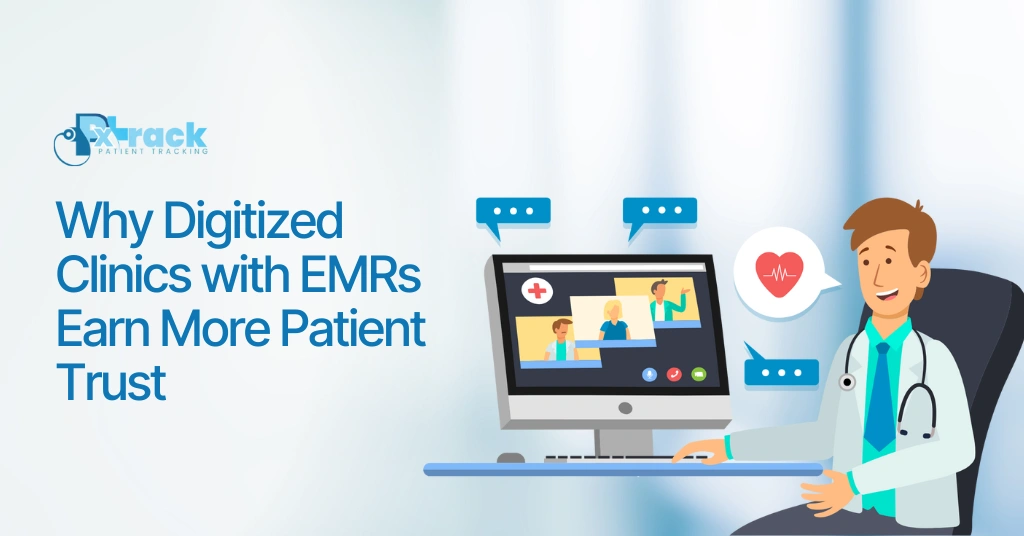
Why Digitized Clinics with EMRs Earn More Patient Trust
Patient expectations have changed significantly in recent years. As digital technologies have become common in banking, retail, and communication, patients now expect similar technology integration in their healthcare experiences. This shift reflects fundamental changes in how patients evaluate provider competence and trustworthiness.
For some reason, the connection between digitization and patient trust is often underestimated. While many healthcare providers adopt Electronic Medical Records (EMRs) to improve operational efficiency, fewer recognize their direct impact on patient perceptions and confidence.
How Digital Systems Improve Transparency
Research consistently shows that digitized practices achieve higher patient satisfaction, stronger patient retention, and improved community reputation. A key driver behind these outcomes is trust, which is closely tied to how transparent care delivery appears to patients.
Therefore, digital systems like EMRs enhance this transparency in clear, measurable ways, reinforcing confidence at every stage of the patient experience. Here’s how digital systems improve transparency:
Organized care coordination: EMRs reduce patient anxiety by eliminating information gaps and uncertainty. Centralized access to appointments, lab results, and treatment plans, simplifies health information management and signals organizational competence.
Reduced care gaps: Fragmented care undermines trust. EMRs minimize missed follow-ups, delayed prescriptions, and unclear instructions through automated reminders, refill alerts, and structured follow-up workflows, reinforcing reliability and attentiveness.
Better documentation and accountability: Comprehensive digital records support accurate clinical decisions while demonstrating accountability. Systematic documentation of encounters and treatment changes communicates professionalism, consistency, and quality of care.
Enhancing Clinical Professionalism and Accuracy
The clinical environment itself communicates competence to patients. Digital infrastructure has become a key indicator of practice quality in how patients assess healthcare providers.
Reduces Medical Errors
Patient safety concerns directly impact trust. Paper-based systems introduce multiple points of failure, such as:
- Illegible handwriting,
- Misfiled documents,
- Transcription errors, and
- Lost information.
However, digital records through EMRs eliminate many of these problems through standardized data entry, automated cross-referencing, and integrated clinical decision support. When prescription orders are automatically screened for drug interactions, allergies, and contraindications, error rates decrease significantly.
Patients may not see these background processes, but they experience the outcomes as safer, more reliable care that reinforces confidence in provider competence.

Professional Image and Practice Perception
Practice infrastructure shapes how patients perceive your clinical capability.
A digitally integrated practice, with secure records and streamlined communication, demonstrates modern competence. Patients view such providers as up-to-date and are more likely to trust their recommendations and follow treatment plans.
Better Clinical Decision-Making
Access to complete, organized patient data enables more accurate diagnoses and personalized treatment plans. When providers can instantly review a patient’s health data, such as previous diagnoses, medication history, family history, allergies, and prior treatment responses, they make better-informed decisions.
Additionally, patients recognize comprehensiveness during consultations. When a provider references historical data or patterns across visits, it shows clinical attention to detail and reinforces patient trust in personalized, thoughtful care.
Building Long-Term Patient Relationships
Patient loyalty and retention are directly linked to trust, which develops through consistent positive experiences over time. Fortunately, digital systems such as EMR software provide the infrastructure to deliver this consistency.
Operational Efficiency and Patient Satisfaction
Extended wait times, repetitive paperwork, and scheduling difficulties consistently rank among the top patient complaints. EMR systems directly address these problems. Online scheduling platforms reduce phone volume while improving appointment accessibility. Both digital and physical intake forms eliminate repetitive data collection.
EMRs allow providers to spend more consultation time on patient interaction rather than searching for information. Research demonstrates that patients who experience efficient, well-organized visits report higher satisfaction scores and are more likely to remain with their provider long-term.
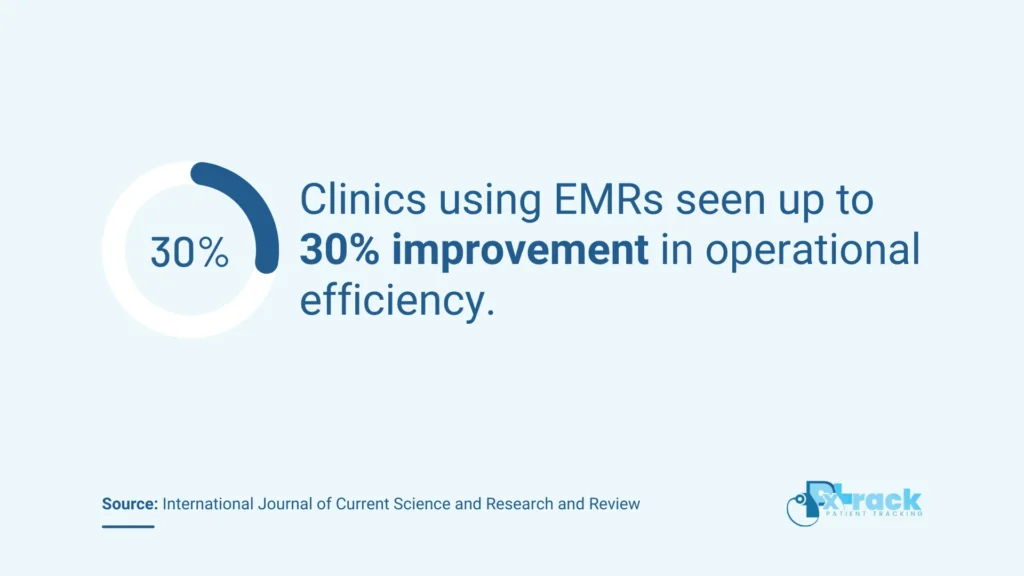
Source: International Journal of Current Science and Research and Review.
Perceived Competence and Patient Retention
Patients make ongoing assessments of provider competence based on care delivery experiences. EMRs support these assessments favorably. When providers can efficiently access test results, review comprehensive medication histories, and reference previous consultations, they project clinical expertise and organizational capability.
Also, when appointment management is seamless and prescription renewals are handled proactively, patients perceive their care as being actively managed rather than passively delivered.
This perception of competence is a primary driver of patient retention as patients prefer to continue care with providers they view as organized, knowledgeable, and attentive.
Personalized Care Through Data Use
Effective use of digital health records enables a level of care personalization that strengthens patient-provider bonds. EMRs allow providers to track individual patient preferences, monitor ongoing health goals, and maintain treatment continuity across encounters.
So, when clinical teams can reference patient history, concerns, and personal circumstances, routine visits become personalized, relationship-driven care that builds trust and engagement. Accessible digital records make this personalization seamless, fostering the trust that supports long-term patient loyalty.
EMR Security Features That Build Patient Trust and Confidence
Data security plays a direct role in patient trust. When patients share sensitive health information, they expect it to be protected to the highest standards. Modern EMR systems meet this expectation by combining strong data protection with visible safeguards that reinforce a provider’s commitment to privacy and safety.
Key security features in modern EMR systems include:
- Data encryption: Patient data is encrypted (including multi-factor authentication) in transit and at rest, preventing unauthorized access to records, communications, and files.
- Role-based access controls: Staff access is limited to role-specific information, reducing unnecessary exposure of confidential data.
- Audit trails: Every record access or change is logged, creating accountability and deterring improper use.
- Automatic session timeouts: Inactive sessions close automatically, reducing risk in shared or busy clinical environments.
- Recovery and backup protocols: Cloud-based EMRs maintain data accessibility during outages or emergencies.
Final Thoughts
For clinics aiming to strengthen patient trust through digital transformation, choosing the right EMR is essential. The ideal system balances robust functionality with ease of use for both staff and patients.
Adopting digital systems goes beyond operational efficiency; it’s an investment in patient relationships and practice reputation. As patient expectations evolve, practices that embrace digital integration gain a clear advantage in satisfaction, retention, and growth.
PxTrack delivers a complete digital infrastructure tailored for modern clinics in the Philippines. From streamlined record management to integrated appointment scheduling and patient communication tools, PxTrack is an EMR Philippines solution that enables transparent, efficient, and personalized care, building lasting patient confidence.

Frequently Asked Questions (FAQs)
How do digital systems like EMRs improve patient trust?
Digital systems increase transparency, reduce errors, streamline communication, and make patient records more accessible, making care more reliable and professional.
Is digitization only beneficial for large clinics, or can small practices benefit too?
Small practices often see the most dramatic improvements from digitization. Smaller teams benefit significantly from automated workflows, reduced paperwork, and better organization. Digital systems help small practices compete with larger facilities by delivering the same level of professional service and efficiency that patients expect from modern healthcare providers.
Do we need to hire IT staff to manage a digital system?
Most modern EMR systems, including cloud-based solutions like PxTrack, do not require dedicated IT staff. Vendors typically provide technical support, system maintenance, and updates. They also provide training to serve as first-line support for basic questions, but extensive technical expertise is not required. Contact us for a free demo.