EMR Heatmaps for Dengue Treatment Protocols and Monitoring
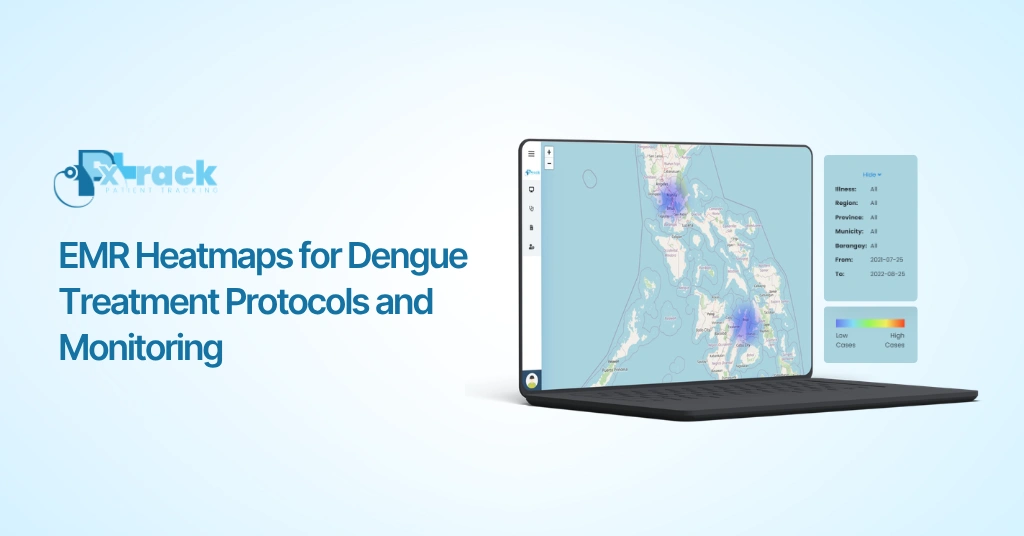
EMR heatmaps support dengue treatment protocols by giving medical professionals a real-time view of outbreak hotspots. By mapping case density across locations, these tools help clinicians prioritize high-risk areas, allocate resources efficiently, and make faster, data-driven treatment decisions.
Since June is the dengue awareness month and the start of the Dengue Season in the Philippines, we’ll introduce technological methods to combat dengue. Electronic Medical Records (EMRs) play a crucial role in dengue management.
Moreover, an EMR system provides various features such as the following:
- Heatmap;
- Medication settings;
- Illness settings;
- Patient records;
- E-Consultations; and
- Patient’s examination.
Dengue is a viral infection that’s caused by the dengue virus. The infection is transmitted to humans through the bite of infected mosquitoes, most commonly Aedes aegypti.
Furthermore, dengue infection can range from a mild, flu-like illness known as dengue fever to severe forms such as Dengue Hemorrhagic Fever (DHF) and Dengue Shock Syndrome (DSS).
The most common symptoms of dengue include:
- Fever;
- Nausea;
- Vomiting;
- Rash;
- Aches and Pains (eye, muscle, joint, or bone pain); and
- Many other warning signs.
As we all know, dengue is a serious global health concern, primarily affecting tropical and subtropical regions. On the other hand, an EMR system can be an ideal choice to manage patients who suffer from dengue.
In particular, dengue cases impacted the Filipino public in the first five months of 2026. While case counts declined heading into mid-2026, dengue remained a pressing public health concern for Filipino communities.
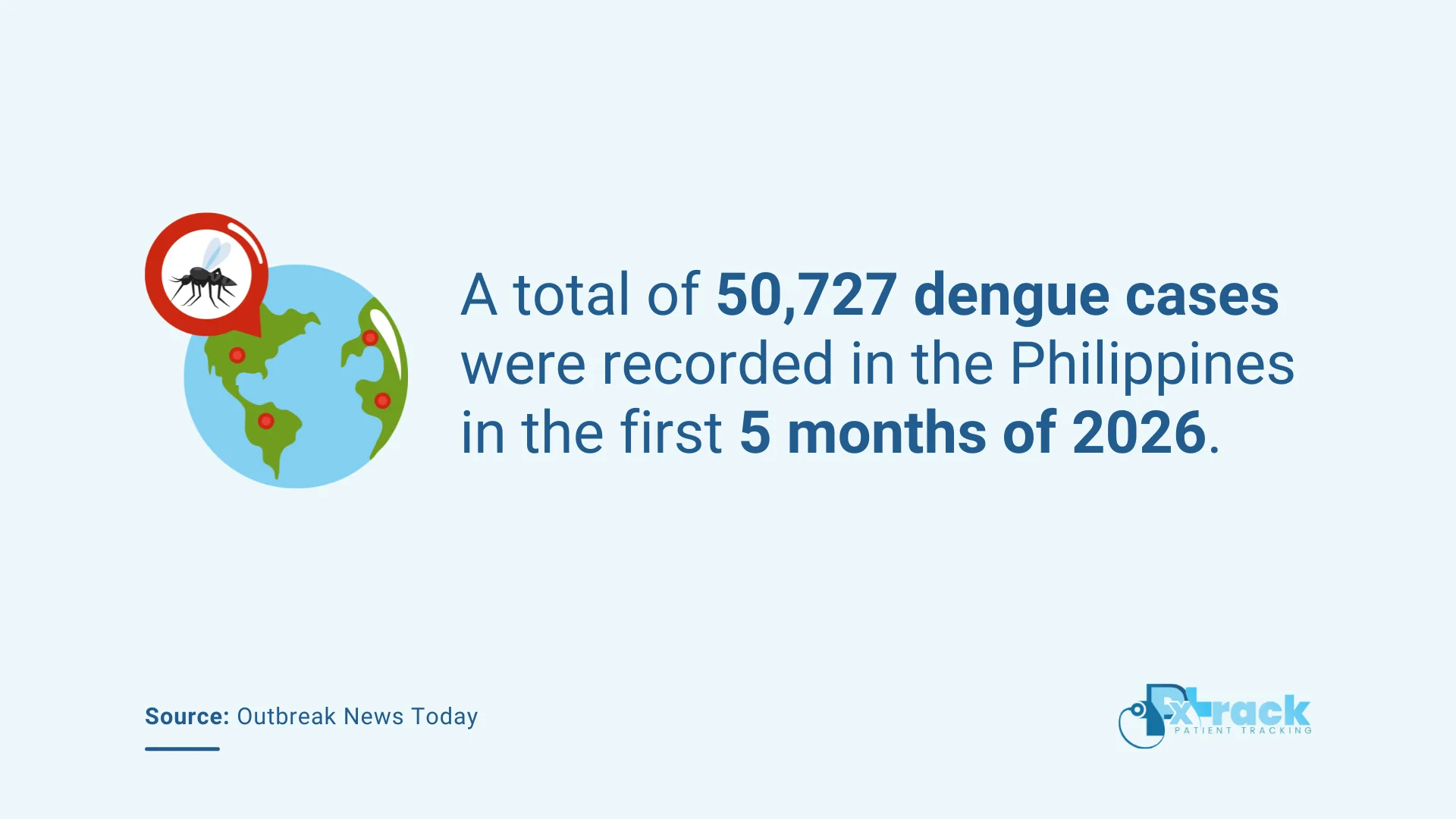
Source: Outbreak News Today.
The Advantages of an EMR System for Dengue Treatment Protocol
The EMR system offers numerous benefits and advantages that make medical assessments and consultations easier. It’s a highly recommended method for medical professionals to treat dengue patients. Overall, medical professionals can easily monitor a patient’s medical needs and progress remotely.
Meanwhile, here are some features that make EMR an effective tool to combat dengue throughout the recovery process.fective tool to combat dengue throughout the recovery process.
What features does an EMR system have?
Heatmap
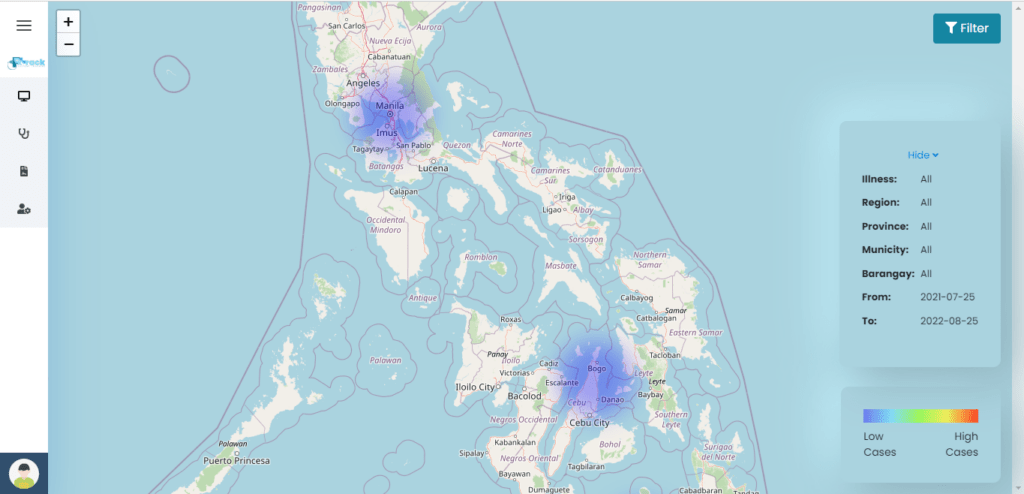
Through heatmaps, medical professionals can easily monitor areas with significant dengue cases. The heatmap shows whether a certain area has low or high cases of a specific disease. This way, it’ll be easier for the local government to determine which areas need medical attention.
Additionally, an EMR system also features:
- Medical Settings;
- Illness Settings;
- Patient Records;
- E-Consultations; and
- Patient Examinations.
The Advancements in EMR technology
The integration of EMR technology significantly impacts the healthcare industry. As a result, healthcare providers can conveniently provide proper care to dengue patients. An EMR system provides a seamless experience for assessing dengue patients by conveniently storing records and generating information to support medical decisions.
Here are some key advancements:
- Mobile and remote access
- Cloud-based storage
- Predictive analytics
- Patient engagement tools
- Data analytics and population health management
- Interoperability
Combining these factors will foster excellent service in dealing with dengue. This way, medical professionals can efficiently manage and control dengue outbreaks. In addition, it’ll be easier for healthcare industries to cater to dengue patients effectively. Through EMR, healthcare providers can also easily save and access patient critical information.
What are the challenges faced during dengue cases?
As dengue remains a serious global health concern, healthcare providers face several challenges in the industry. On the other hand, EMR solutions can be a significant step toward improving dengue outbreak management due to their effectiveness and efficiency.
Here are the common issues faced during dengue cases which can hinder treatment protocol:
- Limited resources
- Inadequate infrastructure
- Difficulty in tracking and managing patient information
- Lack of real-time data
- Limited public awareness
- High patient load
- Vector control difficulties
- Data privacy and security concerns
Collaborative Care and Coordination
Nowadays, pharmacies and medical professionals have adopted Electronic Medical Records. This way, it’ll be easier for both professionals to collaborate and tackle the right medications and actions to prevent dengue cases and manage a community. Also, dengue patients will likely get effective medical assistance through collaborative care.

How to Integrate The EMR Software with Your Dengue Treatment Protocol
PxTrack is a cloud-based Electronic Medical Record (EMR) that allows medical professionals to store and virtually access patient records. Also, it’s a flexible and secure system that provides the records you need to determine the dengue treatment protocol your patient needs. Before using it, you need to learn how it works and how to use it.
Lastly, you can visit the link provided below that redirects you to the ultimate guide in using the PxTrack EMR software.

This article was updated on June 30, 2026.
Frequently Asked Questions
What is an EMR heatmap?
An EMR heatmap is a geographic visualization tool built into an Electronic Medical Records system. It maps disease case density across locations, helping medical professionals identify outbreak hotspots and allocate resources to high-risk areas.
How do EMR heatmaps help with dengue treatment protocols?
EMR heatmaps give clinicians a real-time view of where dengue cases are concentrated. This allows medical teams to prioritize patients in high-incidence areas, adjust treatment resources accordingly, and coordinate with local government units on targeted interventions.
Why is real-time data important in managing dengue outbreaks?
Delayed reporting means clinicians act on outdated case counts. Real-time data allows healthcare providers to anticipate patient surges, isolate outbreak clusters early, and prevent further spread within a community.