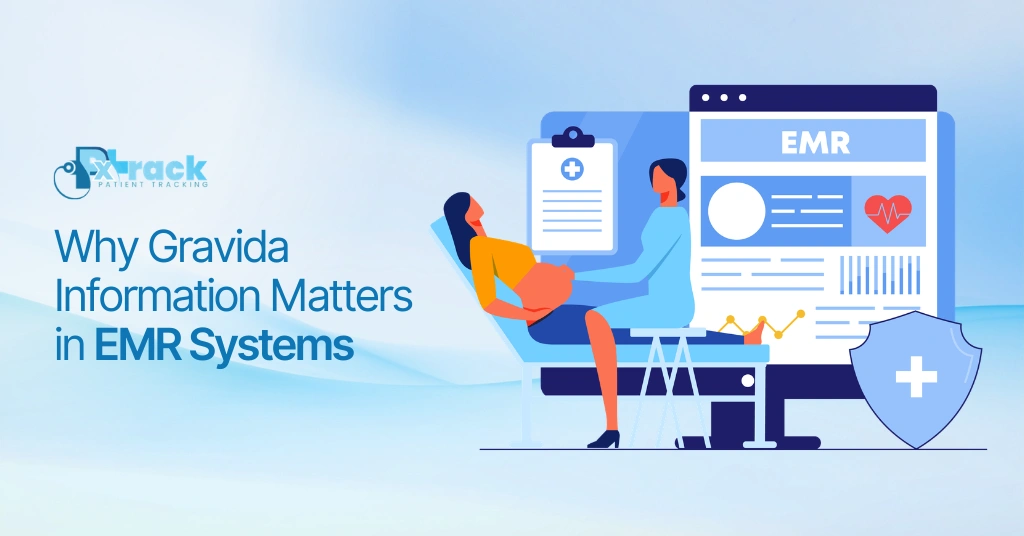
Why Gravida Information Matters in EMR Systems
Effective pregnancy care depends on having complete obstetric data. Clinicians need accurate, organized records of each patient’s pregnancy history to make informed decisions from the first prenatal visit to postpartum care. Gravida Information helps provide this support.
In the Philippines, as healthcare facilities move from paper to digital systems, Electronic Medical Record (EMR) systems have become the primary means of capturing and managing this data.
Understanding Gravida Information
Gravida Information tracks the total number of a patient’s pregnancies and their outcomes. The word comes from the Latin ‘gravid,’ meaning ‘to carry.’ In medicine, it shows how many pregnancies a patient has had and what happened with each one.
There are four main terms used to describe gravida status:
- Gravida means a female patient who is pregnant.
- Nulligravida describes a woman who has never been pregnant.
- Primigravida is used for a woman who is pregnant for the first time or has only been pregnant once.
- Multigravida or Secundigravida describes a woman who has been pregnant more than once.
Gravida status is recorded using the GTPAL framework: G stands for gravidity, and TPAL stands for term births, premature births, abortions, and living children. This system provides a complete overview in a single notation.
Why It Matters Clinically
Gravida data is important for assessing obstetric risks. Multigravida patients who have had preterm deliveries before need closer monitoring in future pregnancies. Patients with a history of pregnancy loss may need psychological support or to see a specialist.
Thus, having complete gravida information early helps clinicians address possible problems before they become serious.
This is especially relevant in the Philippines. The Philippine News Agency reported that the total fertility rate among Filipino women has dropped to a historic low of 1.7 children per woman, below the replacement threshold of 2.1.
With fewer pregnancies per woman, each pregnancy becomes more important clinically. As fertility rates go down, keeping accurate obstetric records matters even more.
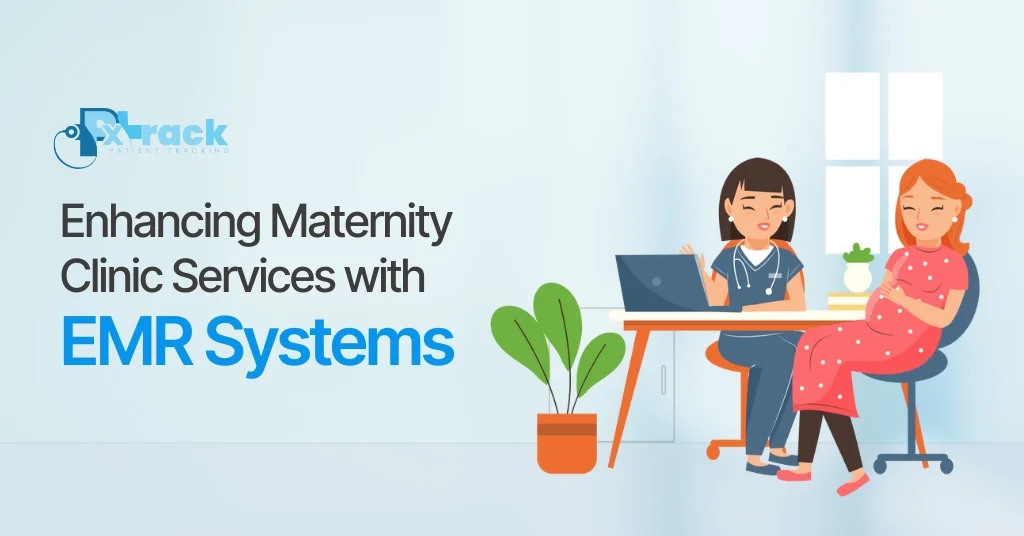
How EMRs Manage Gravida Information
Paper records can be incomplete, lost between clinics, misread, or left unfinished when patients switch providers. EMRs solve these problems by keeping gravida data in organized fields that stay consistent across visits.
In the PxTrack EMR System, providers enter gravida status, para number, prenatal visit history, complications, and delivery outcomes into specific fields. All clinicians see the same record, ensuring information consistency. This is especially important in emergencies when quick decisions are needed.
A 2025 scoping review in the International Journal of Medical Informatics examined 13 EMR studies in maternity settings published from 2019 to 2024. It found that EMR systems improved maternal healthcare outcomes. The review also pointed out that involving stakeholders, training providers, and making sure institutions are ready are key to success.
Specific Benefits for Maternity Clinics
Risk Tracking
Obstetric risk builds up over time. Patterns like repeated preterm labor, gestational hypertension, or previous cesarean deliveries are only clear when records are kept up to date.
An EMR gives this long-term view without needing the patient to remember or explain her history at every visit.
Team Coordination
Maternal care involves obstetricians, midwives, nurses, and specialists across multiple encounters. A shared EMR keeps the team aligned, as each provider has access to the same gravida data, prenatal notes, and documented complications. This reduces the risk of conflicting assessments or repeated interventions.
Patient Data Privacy
Gravida Information is sensitive personal health data. In the Philippines, it is protected by the Data Privacy Act of 2012 (Republic Act No. 10173). EMR systems protect this information using access controls, audit trails, and encryption.
Providers also keep this information confidential as part of their ethical duties. These technical and professional safeguards work together.
Psychological Support
Patients who have experienced pregnancy loss or high-risk deliveries may need mental health support. When an EMR records this history, the care team can spot these needs early. Quick referrals to psychology or social work start with having this information easily available.
Conclusion
Gravida Information is a useful clinical tool. It helps with risk assessment, care planning, and making sure all providers work together.
For maternity clinics in the Philippines, using an EMR system that stores this data in organized, easy-to-access fields can directly improve patient outcomes. PxTrack EMR provides these features in a privacy-compliant system designed for Philippine maternity care.

This article was updated on April 30, 2026.
Frequently Asked Questions
What does gravida mean in medical terms?
Gravida refers to the total number of times a patient has been pregnant, including current and past pregnancies, regardless of outcome. It is documented alongside GTPAL notation to provide a full obstetric history.
What is the difference between gravida and para?
Gravida counts all pregnancies. Para counts deliveries past 20 weeks of gestation, meaning it reflects viable births. A patient can have a higher gravida count than para count if some pregnancies ended before viability.
How does an EMR system improve gravida documentation?
EMR systems provide structured input fields that standardize the recording of gravida data. This eliminates inconsistencies from paper records, ensures data carries across encounters and providers, and makes the full obstetric history accessible at the point of care.