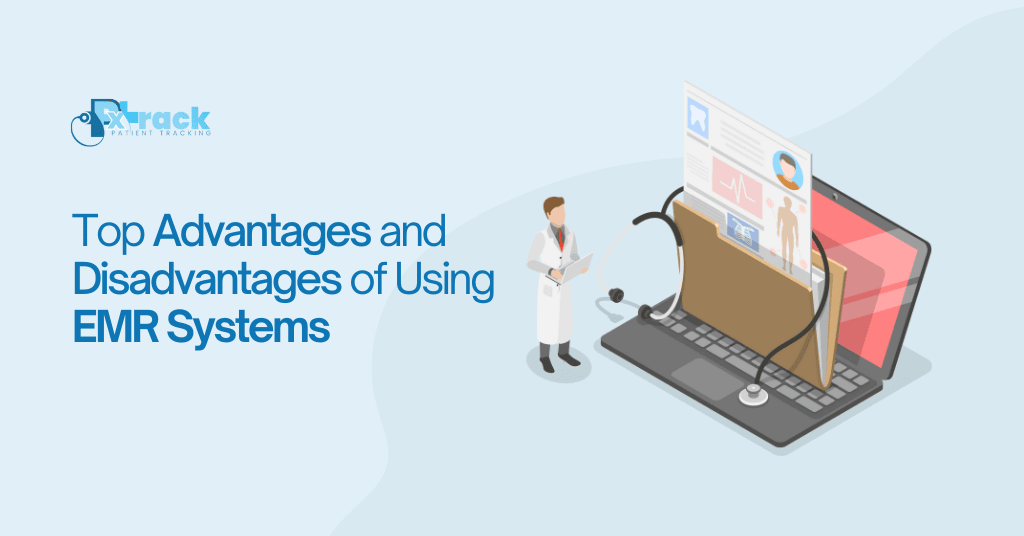
Top Advantages and Disadvantages of Using EMR Systems
Electronic Medical Records (EMR) systems offer seamless patient records management and efficient operations for healthcare practitioners. But similar to other emerging technologies, some are still hesitant to integrate them into their healthcare facility’s operations.
To help you weigh your options, identifying the top advantages and disadvantages of using EMR software is essential. This way, you can make a more informed decision about whether you should use EMR software in your business or not.
The Advantages and Disadvantages of EMR Systems
Various EMR providers within the Philippines focus on addressing the growing needs of medical professionals and their staff to enhance operational management.
These needs range from ensuring the secure storage of confidential patient records to the convenient generation of reports, lab results, and prescriptions.
5 Benefits of Using EMR Software
Efficiency and accuracy are critical in healthcare. Whether it’s a simple consultation or comprehensive treatment plan for patients, taking advantage of the EMR platform offers innumerable benefits.
Below are the top five advantages of an EMR system and how it can transform healthcare practices:
Convenient Patient Records Management
An EMR system provides instant access to patient records, reducing delays in consultations. Features like digital appointment scheduling and calendar views simplify daily operations quickly, improving workflows for healthcare professionals.
Hence, healthcare providers can review lab and exam results, track ongoing treatment, and even flag critical updates in real time.
Accessible Cloud-Based System
Being a cloud-based EMR system offers mobility — records are accessible anytime, anywhere. In addition, its advanced search feature eliminates the need for physical storage.
So, you can easily retrieve patient records instead of going through piles of charts and papers. The cloud-based system also allows central data management across multiple branches.
With automatic synchronization, medical practitioners can instantly view updates made to records across all devices. This feature enables them to work collaboratively with fellow staff and provide patient care even in remote locations.
Furthermore, healthcare professionals don’t need to worry about IT Infrastructure limitations since cloud-based EMRs are highly scalable.
Efficient Reporting and Billing
EMR systems streamline administrative tasks, such as generating and printing the following:
- Medical reports;
- Consultation summary;
- Medical certificates, and
- Prescriptions.
Thus, they increase work efficiency, improve staff productivity and reduce the possibility of making inaccurate diagnoses. These systems help medical staff to better understand notes on patient consultation forms.
Moreover, EMR software can help monitor billing and payment transactions.
Enhanced Data Privacy and Security
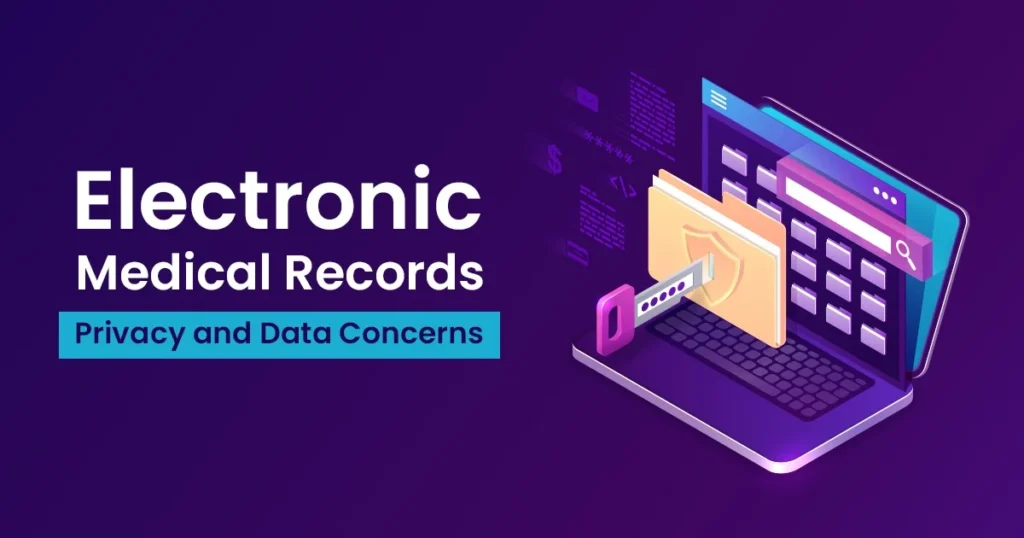
Several EMR systems comply with stringent data protection regulations and requirements to safeguard patient information. This ensures that all the sensitive data entered into the system remains secure and confidential, thereby upholding data privacy laws and regulations.
These electronic medical records systems employ various security measures, including data encryption and Two-Factor Authentication (2FA), ensuring that only authorized personnel can access the system.
Hence, doctors can track and audit every login or modification made to patient records, offering complete transparency and accountability in data management.
Database Backups
EMR systems equipped with database backups, minimizing data loss risks. Therefore, it offers healthcare practitioners peace of mind in case of technical issues or unforeseen events.
These backups allow health professionals to quickly restore critical patient records, providing timely patient care and treatment plans.
Backups can be set weekly, biweekly, or monthly to suit your needs.
Disadvantages of Using EMR Systems
While EMR systems offer numerous benefits, there are a few factors to consider before implementing them in your healthcare operations. Here are some of the few challenges you may encounter:
Staff Training Needs
EMR systems can be complex for medical staff, especially those not as experienced in using software and applications. Thus, implementing EMRs requires staff training, which can also entail additional expenses and reduced time spent with patients.
This could negatively affect your clinic’s ability to address patient needs.
Additionally, staff may have difficulties with adapting to a digital workflow, causing delays or errors in patient data entry or retrieval. These issues can temporarily compromise the quality of care, especially in a fast-paced environment.
Security Concerns
While it’s true that cloud-based EMRs are safe and secure, there’s a possibility of cybercrime. Hackers and other malicious attackers may attempt to access confidential information to commit fraud, identity theft, and other similar activities.
According to a recent Healthcare Data Breach Report, health information belonging to over 110 million people was stolen from Change Healthcare’s platform in the first half of 2024.
That’s why it’s crucial to use EMR systems with robust security measures in place to prevent unauthorized access by malicious individuals.
High Initial Cost
EMR systems can be costly, but it depends on the features and functionalities required by your clinic or hospital. Several EMR systems offer a wide range of features; however, your business may not need all of them.
It’s essential to find an EMR system tailored to the specific needs of your medical facility. Many EMR providers offer customization options, ensuring you only pay for the features you need.
Choose the Right Electronic Medical Records Software for Your Clinic
Overall, the most suitable EMR software for your healthcare facility can help you streamline patient record management, enhance data security, and save costs.
By investing in an Electronic Medical Records system tailored to your needs, you can simplify your work processes and future-proof your medical practice for growth.
Find the perfect EMR solution for your facility with PxTrack.
This blog was updated on December 5, 2024.
Frequently Asked Questions About EMRs
Are EMR systems secure in the Philippines?
Yes. Many EMR providers in the Philippines offer secure systems. PxTrack, for example, implements encryption, 2FAs, and compliance with data privacy laws to protect sensitive patient information.
Additionally, doctors can limit the staff’s time of accessibility, wherein staff cannot access the system beyond working hours, even if they have correct credentials.
Can EMR systems be customized?
Absolutely! Some EMR systems offer customization based on your needs, preferences, and requirements. This flexibility helps streamline workflows, align with operational goals, and improve staff efficiency and productivity. Get in touch with a trusted EMR provider!
Are there affordable EMR options in the Philippines?
Yes. You can find a variety of affordable EMR solutions in the Philippines based on your budget. These providers offer scalable packages, allowing you to select only essential features. Check our pricing packages here.