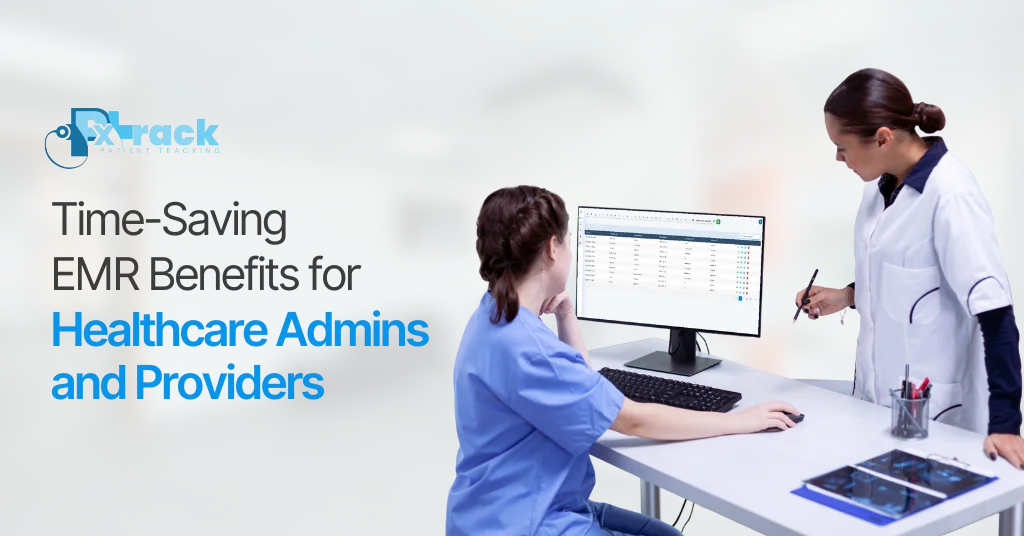
Time-Saving EMR Benefits for Healthcare Admins and Providers
Many healthcare practitioners save a lot of time by using an Electronic Medical Records (EMR) system. It helps them automate documentation, gives instant access to patient data, and streamlines communication across departments. Instead of spending hours on paperwork or searching for charts, doctors can manage records, billing, and scheduling with just a few clicks.
So, while healthcare workloads keep increasing, EMRs can significantly reduce the administrative burden, giving providers more time to focus on patient care.
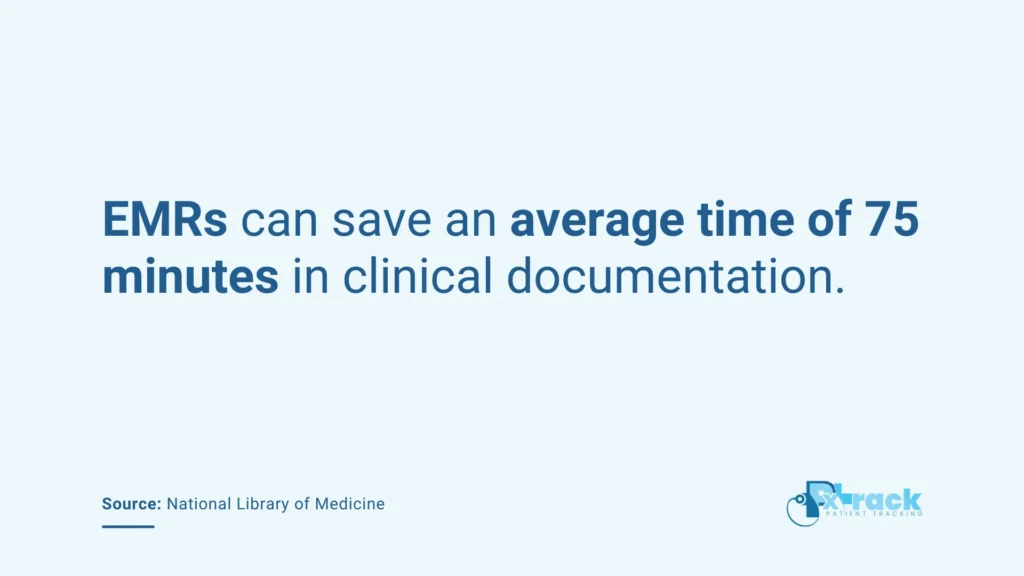
Source: National Library of Medicine
Common Time-Consuming Tasks in Healthcare
Even the most skilled medical practitioner can lose valuable hours to repetitive tasks that don’t directly improve patient care. Without the right technologies or systems, these activities create delays, increase stress, and make it challenging for facilities to operate efficiently.
These include the following:
Manual paperwork and data entry: Doctors and administrative staff often spend hours writing or typing patient details, treatment notes, and billing information. This slows down workflows and increases the risk of errors.
Retrieving and organizing patient records: Locating a patient’s chart in a paper-based operation can take several minutes, especially when files are misplaced or incomplete. In emergency cases, even minor delays can cause complications or put people at risk.
Coordinating between departments and providers: Sharing test results, referrals, or updates often requires phone calls, faxes, or emails. This slows down decision-making and leaves patients waiting longer for care.
These tasks are necessary, which also consume a significant amount of time that doctors could otherwise spend with patients. With EMRs, doctors and staff can reduce these bottlenecks and transform how to manage their daily workload.
Time-Saving in Practice: How EMRs Increase Efficiency
A reliable EMR system can address the biggest time drains in healthcare operations by turning manual tasks into faster, automated processes. Doctors and staff can simplify daily tasks instead of relying on paper files or outdated systems.
Here are the following time-saving EMR benefits:
Quick and Easy Access to Patient Records
With EMRs, patient histories, lab results, and prescriptions are available in seconds. This eliminates the need to sift through physical charts and ensures healthcare providers have accurate, up-to-date information at their fingertips.
Streamlined Scheduling and Billing
Many EMR platforms include appointment scheduling, reminders, and even automate billing. Patients can book appointments online, while staff save hours on paperwork and reduce errors in documentation.
Faster Data Sharing Between Healthcare Professionals
EMRs allow secure, real-time sharing of patient data across healthcare professionals. Patient information moves instantly, supporting quicker decisions and better coordinated care.
By removing repetitive steps and centralizing information, doctors and staff spend less time on admin tasks and more time focusing on patients.
Sustainable Impact of EMRs on Time Management
Beyond cutting paperwork, switching to an EMR system also reshapes how your clinic operates and delivers patient care. Among these are:
- Increased productivity and reduced burnout. Less paperwork and smoother documentation ease the workload on doctors and staff. This lowers stress, improves job satisfaction, and helps teams stay focused.
- More time for patient care. With less time wasted on repetitive admin tasks, doctors can spend more valuable time with patients. This improves relationships and, at the same time, raises patient satisfaction.
- Enhanced patient outcomes. Efficient workflows mean faster, more accurate diagnoses and treatment plans. Both doctors and patients benefit from timely care and better coordination.
Conclusion
Time is one of the most valuable resources in healthcare, and leveraging EMRs can save time for both workflows and patient care. By minimizing paperwork, automating documentation, and accessing real-time data, a reliable EMR reduces routine tasks and allows you to focus on patient care and treatment.
With the right EMR system in place, you create space for better care, stronger teamwork, and sustainable growth. Cloud-based software like PxTrack provides a reliable way to simplify record management and increase efficiency.

FAQs About Electronic Medical Records
What is an Electronic Medical Records (EMR) system?
An EMR system is a digital version of a patient’s paper chart. It stores medical history, diagnoses, treatment plans, prescriptions, and more, allowing providers to access and manage patient data quickly and securely.
Are EMRs secure?
Yes. Most EMR systems follow strict data protection and compliance standards, including encryption and role-based access, to keep patient information safe.
How much does an EMR system cost?
Pricing varies depending on the features, size of the facility, and level of customization. Some systems charge a monthly subscription per user, while others may require upfront setup fees. For example, solutions like PxTrack offer scalable pricing tailored to the needs of medical practices, making it easier for clinics and hospitals to adopt without overspending.