Protecting Patient Data With EMR Security Features
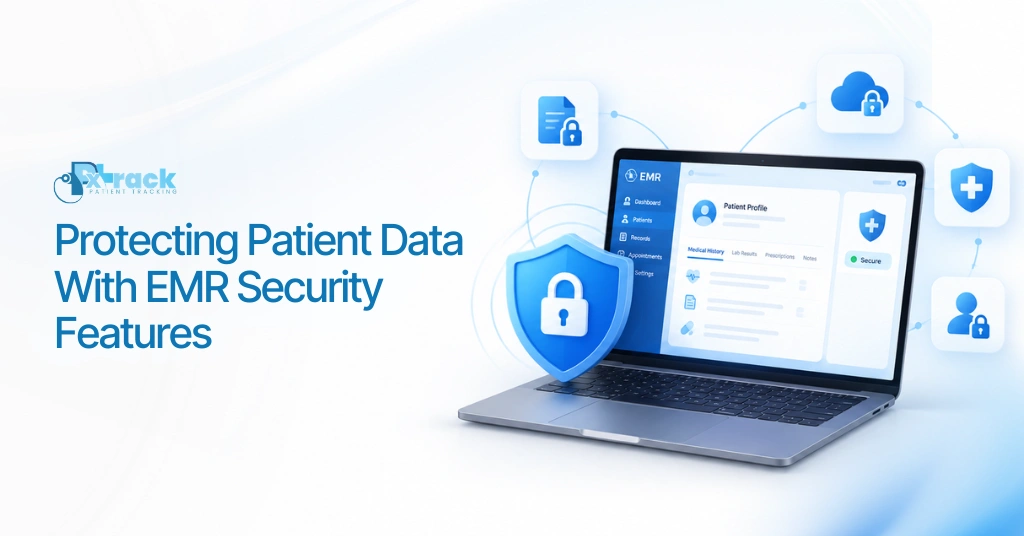
EMR system security features protect patient data through encryption, role-based access controls, and audit trails. These tools block unauthorized access, stop breaches before they spread, and support the Data Privacy Act of 2012 (RA 10173). Without them, breaches get expensive fast.
Based on recent data, healthcare breaches cost an average of $7.42 million in 2025, the costliest of any industry for more than a decade. Thus, strong EMR security lowers that risk and strengthens patient trust.
Key Takeaways
- Role-based access controls limit who can see or edit each patient record.
- Encryption protects patient data at rest and in transit and affects whether a breach requires notification under the Data Privacy Act.
- Audit trails record every user action, making it easier to spot unusual activity early.
- Multi-factor authentication and strong password rules help lower the risk of unauthorized access.
- Training staff helps prevent the human errors that often cause small breaches.
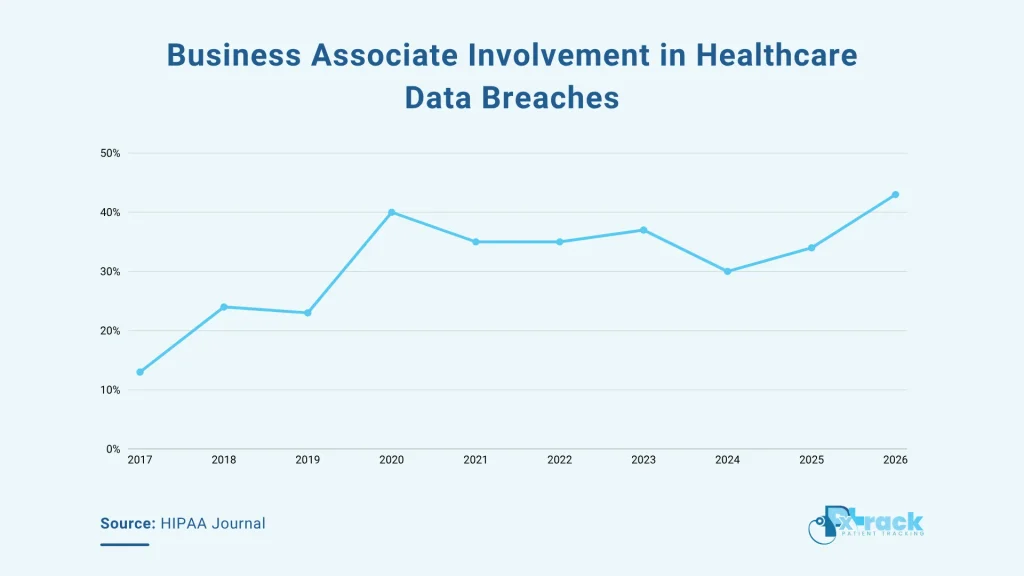
- In 2026, business associates were responsible for 43% of large healthcare breaches, up from an average of 34% since 2018. This makes careful vendor vetting important.
- Data Privacy Act penalties reach up to P5 million per violation, with possible imprisonment for the most serious offenses. [PDF].
Why EMR Security Matters
Healthcare organizations face more cyberattacks than ever. Hacking and IT incidents drove more than 80% of large healthcare breaches in 2025. Ransomware sits at the center of that trend.
Now, patient records contain some of the most private information people have, like diagnoses, medications, insurance numbers, and Social Security numbers. If even one chart is leaked, it can affect someone for years.
EMR security features protect confidentiality, integrity, and availability. When a clinic focuses on these three areas, patient records stay private, accurate, and only available to those who need them.
Common Risks to Patient Data
Cyber threats come in many forms. Phishing emails can trick staff into giving away login details. Ransomware can lock entire systems until a clinic pays. Unauthorized access can happen if a clinic doesn’t remove a former employee’s login.
Human mistakes also cause problems. Weak passwords, sending emails to the wrong person, and careless handling lead to many incidents. In 2026, business associates were responsible for 43% of large healthcare breaches, up from a 34% average since 2018.
Source: HIPAA Journal.
Because of these risks, clinics that understand them build EMR security to address real threats, not just follow generic checklists.
Key EMR Security Features
Role-Based Access Controls
Role-based access controls limit data access by job role. For example, a billing clerk can see insurance details, a physician can view the full clinical history, and a front-desk staff member only sees scheduling information. This reduces the potential damage if a login is compromised.
Encryption
Encryption makes patient data unreadable without the right key. Good EMR platforms encrypt data both when it is stored and when it is sent between systems. Even if a device gets stolen or a network gets breached, properly encrypted data stays useless to whoever took it.
Encryption also factors into whether the National Privacy Commission requires breach notification, which can reduce a clinic’s reporting burden after an incident.
Audit Trails and Activity Logs
Audit trails keep track of who accessed a record, when they did it, and what changes they made. These logs help compliance officers quickly notice unusual behavior, like a login at 3 a.m. or someone downloading many records at once.
Best Practices for Healthcare Teams
Technology alone does not secure patient data. Staff behavior matters just as much.
- Hold regular staff training so everyone can spot phishing attempts and follow proper data-handling procedures.
- Require Two-Factor Authentication (2FA) and strong, unique passwords for every EMR login.
- Update and patch systems on a regular schedule, rather than waiting for a problem to appear.
- Check login activity and review audit logs regularly, not just after something goes wrong.
- Review vendor and business associate agreements at least once a year.
Source: IBM Newsroom.
Clinics that pair these habits with strong EMR security features build a defense that holds up against both outside attackers and internal mistakes.
Keeping Patient Data Secure for the Long Run
The cost to your finances and reputation from a breach is almost always higher than the cost of preventing one.
EMR system security features protect patient information and strengthen patient trust. Role-based access, encryption, and audit trails are the technical basics. Staff training and strong password rules help cover the human side.
Find out how a cloud-based EMR platform in the Philippines, such as PxTrack, can keep your patient data safe and secure.

Frequently Asked Questions
What are the most important EMR security features?
The main parts of EMR security are role-based access controls, encryption, audit trails, and multi-factor authentication. These features help control access, protect data, track activity, and verify logins.
Is EMR data encrypted?
Reliable EMR platforms encrypt patient data both when it is stored and when it is being sent. If the data is encrypted, it may qualify for the HIPAA breach notification safe harbor, which can lower reporting requirements if a breach occurs.
What causes most healthcare data breaches?
Almost 80% of large healthcare breaches are caused by hacking and IT incidents. The main problems are phishing, ransomware, and unauthorized access, with human mistakes and vendor risks also playing a big role.
What happens if a clinic violates HIPAA security rules?
HIPAA penalties can be as high as $2,190,294 per violation if willful neglect is not corrected. The amount depends on what the clinic knew about the violation and how quickly they fixed it.
Do small clinics need the same EMR security features as large hospitals?
Yes. The risk of a breach does not decrease with smaller clinics. Small clinics face the same threats, like phishing, ransomware, and human error, so features like role-based access, encryption, and audit trails are important for everyone.