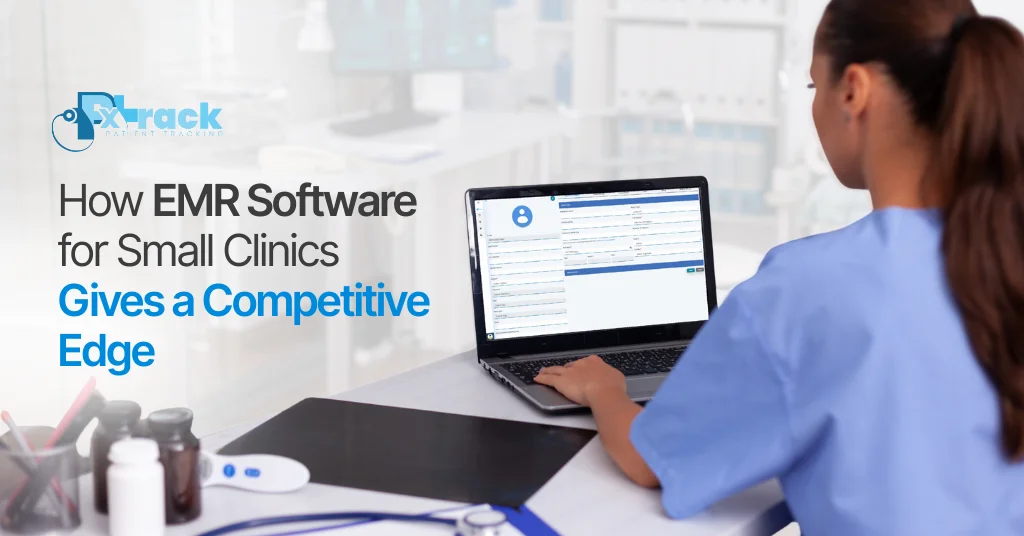
How EMR Software for Small Clinics Gives a Competitive Edge
Utilizing Electronic Medical Records (EMR) software for small clinics gives your practice a competitive edge in today’s healthcare landscape, driven by digital transformation. By streamlining administrative tasks, centralizing patient records, and improving access to medical histories, EMRs help clinics operate efficiently even with limited staff or resources.
More importantly, EMRs elevate patient care and reduce cost, enabling small clinics like yours to deliver the quality of service that patients expect.
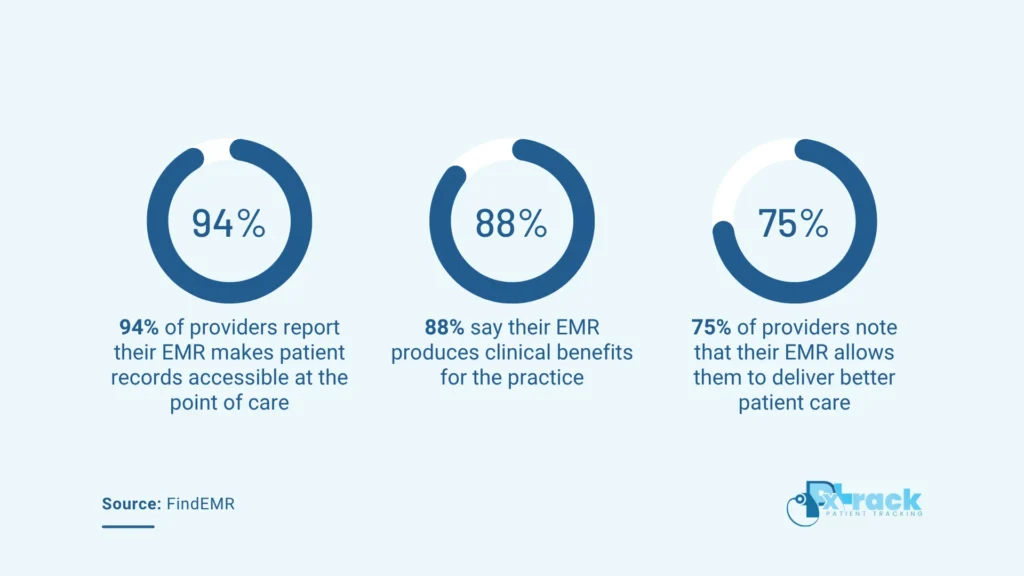
Source: FindEMR
Key Challenges of Small Clinics in a Digital World
As healthcare goes digital, small clinics face unique hurdles that can hinder their ability to compete and deliver seamless patient care. Here’s a closer look at the most pressing challenges:
Limited Resources and Staff: Small clinics often operate with a minimal budget, limited personnel, and a lack of technical expertise. This can make adopting new technology like EMRs feel overwhelming.
Difficulty in Managing Patient Records Efficiently: Many small practices still rely on paper charts or disconnected digital files, leading to time wasted searching for records, duplicated tests, and inconsistent documentation. This slows appointments and increases the risk of medical errors, especially in emergencies and urgent care coordination.
Growing Patient Expectations for Digital Services: Patients now expect the same convenience from healthcare, such as online scheduling and telehealth services. Clinics without these capabilities risk losing patients to competitors who offer a more modern, responsive experience, even if clinical quality is comparable.
These challenges highlight why strategic technology adoption, like EMR integration, is essential for small clinics aiming to thrive in the digital age.
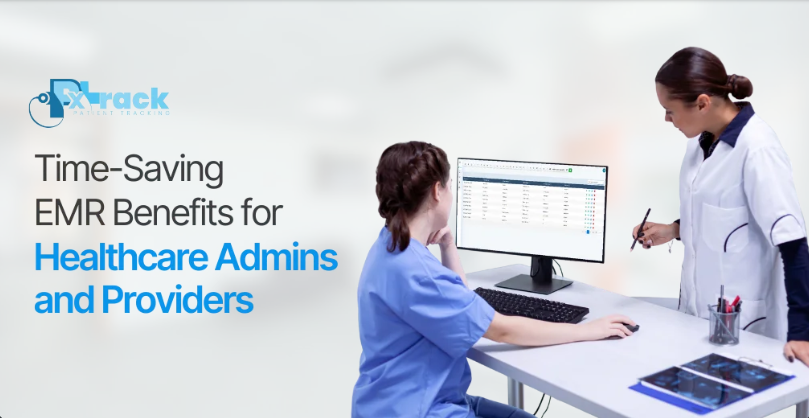
How EMRs Improve Efficiency and Operations
EMR systems transform small clinics’ operations, turning inefficient workflows into smooth, reliable processes.
Reduce Manual Administrative Tasks
Through intuitive workflows, EMR simplifies routine tasks like appointment reminders, prescription management, and follow-up tracking. It reduces repetitive paperwork and helps your team stay organized.
Go Paperless with Digital Records
With EMRs, patient charts are digitized, indexed, and instantly retrievable. Thus, there’s no more shuffling through filing cabinets or faxing records. Updates are saved in real time, ensuring every team member sees the latest information, which enhances care coordination and compliance with documentation standards.
Simplify Scheduling, Billing, and Insurance Process
Other EMRs include built-in practice management tools that sync scheduling with billing workflows. They validate insurance eligibility in real time, auto-generate claims using accurate coding, and track payment statuses. Therefore, it minimizes denied claims, billing delays, and administrative backlogs.
Access Patient Data Instantly
Healthcare providers can pull up comprehensive, up-to-date patient records in seconds. This includes medications, allergies, lab results, and past diagnoses. This immediate access supports better clinical decision-making, reduces redundant testing, and improves patient safety, especially during emergencies or complex care scenarios.
Cost Savings and Financial Benefits of EMRs
While implementing an EMR requires an initial investment, small clinics often see meaningful financial returns through smarter operations and reduced waste. Here’s how:
- Lower overhead from paper and storage. Eliminating printing, physical filing supplies, and off-site record storage reduces recurring expenses, freeing up space and budget for patient care.
- Fewer costly errors. Digital records reduce billing mistakes, duplicate tests, and coding inaccuracies that lead to claim denials or compliance penalties, protecting your revenue and reputation.
- Clearer financial insights. Built-in reporting tools help track collections, outstanding claims, and practice performance, empowering smarter budgeting and strategic decisions.
Conclusion
In this competitive digital environment, EMRs are more than a technology upgrade for small clinics. They are a strategic investment that strengthens operations, improves accuracy, and enhances patient trust, helping your clinic grow confidently.
Pxtrack, a reliable EMR in the Philippines, takes this a step further by offering a user-friendly EMR solution designed specifically for small to mid-sized practices. With its intuitive interface and reliable data security, Pxtrack helps clinics simplify recordkeeping, streamline appointments, and focus more on patient care than paperwork.
Experience how Pxtrack can help your clinic operate smarter and more efficiently.

FAQs About Electronic Medical Records
Are EMRs affordable for small clinics?
Yes. Many modern EMR solutions, including PxTrack, offer scalable, cloud-based pricing with low upfront costs. Subscription models eliminate the need for expensive servers or IT infrastructure, making them accessible even for solo practitioners or small teams.
Is my patient data secure with an EMR?
Many EMR vendors use bank-level encryption, secure cloud hosting, and role-based access controls to protect sensitive health information, often offering stronger security than paper records. In countries like the Philippines, EMR providers comply with the Data Privacy Act of 2012 (RA 10173).
Can I access my EMR remotely?
Yes. Cloud-based EMRs like PxTrack allow secure access from any device with an internet connection, enabling telehealth support, after-hours charting, and flexible work arrangements. Contact us for a free demo!