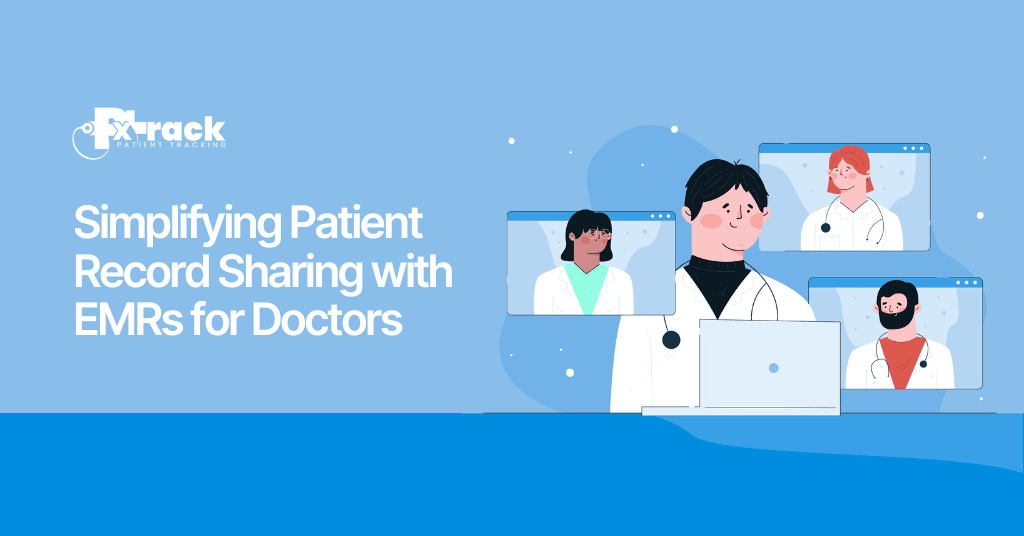
Simplifying Patient Record Sharing with EMRs for Doctors
Utilizing Electronic Medical Records (EMRs) for healthcare services has significantly transformed the industry by digitizing medical data. However, patient record sharing remains an overwhelming task for doctors and their staff, which often hamper their work operations.
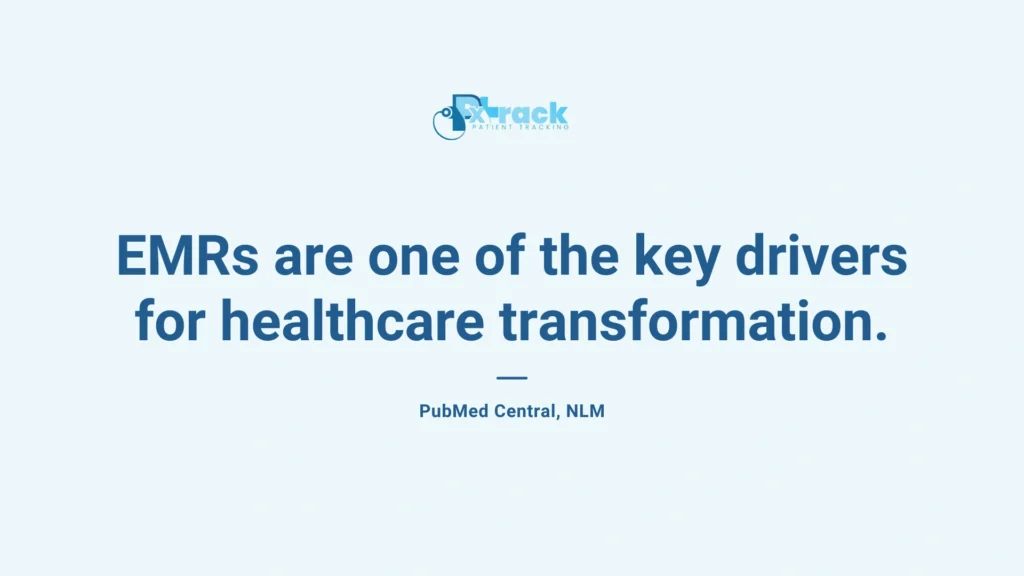
Source: National Library of Medicine
That’s why cloud-based EMR systems have become essential, enabling seamless and secure data sharing among healthcare professionals. These platforms ensure accessibility while following data privacy laws, regulatory compliance and security enhancements to protect patient information and improve care coordination.
The Essential Benefits of Patient Data Sharing for Healthcare
Simplifying record sharing through EMR software can address crucial pain points that hinder efficient healthcare operations. With the right EMR platform, the following can be prevented:
- Delayed diagnoses;
- Increased administrative workload, and
- Higher risk of errors.
Streamlining data sharing resolves these challenges and also elevates the overall quality of care provided to patients, such as:
- Faster access to critical health information;
- Improved collaboration among authorized medical staff, and
- Boost patient satisfaction.
Therefore, sharing patient data with the right people ensures every critical health information is always available when and where it’s needed most.

Best Practices for Seamless Data Sharing
Below are the key best practices to help healthcare enhance data accessibility while maintaining compliance and security.
Adopt Cloud-based EMR Systems
Many EMR platforms, like PxTrack, leverage cloud-based infrastructure to facilitate data sharing. For example, a doctor can choose an authorized personnel to access patient data.
These systems are particularly beneficial for medical facilities, where resources may vary across urban and rural settings.
Why It Matters: Cloud technology ensures that patient records are accessible from any location with Internet connectivity, which is essential for remote clinics and telemedicine services.
Security Benefits: Cloud-based systems use advanced encryption protocols to protect confidential health information, reducing the risks of data breaches.
Local Relevance: With increasing Internet accessibility in the Philippines, cloud-based EMRs can bridge gaps between underserved areas and medical clinics.
Ensure Regulatory Compliance
Compliance with global and local regulations is also essential to avoid legal issues and uphold trust with the patients. While international frameworks like HIPAA1 and GDPR2 may not directly apply in the Philippines, they serve as benchmarks for robust data protection policies.
***1 Health Insurance Portability and Accountability Act
***2 General Data Protection Regulation
Here are key frameworks to include:
- Data Privacy Act of 2012 (DPA): The country’s primary law governing personal data protection, including health information.
- DOH Guidelines: The Department of Health provides specific recommendations for EMR implementation and patient record sharing.
Regular audits and staff training on DPA compliance can help clinics and healthcare professionals stay aligned with legal requirements.
Leverage Philippines’ Health Information Exchange
PHIE, a secure platform implemented by the DOH, enables seamless sharing of patient data among clinics and medical practitioners. In a country like the Philippines, where patients often seek care across multiple facilities, PHIE systems are invaluable.
PHIE connects different healthcare providers, ensuring that patient records are updated and accessible in real-time. Through this, there’s an improved continuity of care, especially for patients transferring between rural clinics and urban hospitals. Both healthcare practitioners and patients can also save time and costs due to reduced duplication of tests.
One local example is Philhealth’s initiatives — its digital transformation efforts aim to integrate PHIE into national healthcare workflows.
Train Healthcare Staff on EMR Usage
According to OVHcloud, 95% of inefficiencies and security lapses are caused by human error. So, regardless if it’s the most advanced EMR system, staff still require proper training to ensure efficiency and productivity.
Clinics need to focus on the following areas:
- Teach staff how to navigate EMR interfaces efficiently.
- Educate them on Data Privacy Act requirements and secure data handling practices.
- Equip teams with skills to resolve common technical issues without IT intervention.
Well-trained staff contribute to faster adoption rates and fewer errors, ultimately enhancing patient care quality.

Conclusion
Digitizing medical records using an Electronic Medical Records system has immense potential to address common healthcare challenges. It can prevent delayed diagnoses, administrative bottlenecks, and geographic barriers, enabling medical professionals to deliver equitable, patient-centered care.
Start simplifying patient record sharing today by exploring PxTrack, a cloud-based EMR platform in the Philippines, trusted by many doctors for efficiency and security.
FAQs About Patient Data Sharing
Can patients access their medical records through an EMR system?
Most EMR providers offer access to doctors and authorized personnel to ensure confidentiality Some EMRs have patient portal features, allowing individuals to securely access test results, prescriptions, and medical history.
What are the risks of not training staff on EMRs?
Staff may struggle to navigate the system, leading to inefficiencies, errors, and security lapses. Training ensures compliance with data privacy laws and equips teams to utilize EMR platforms effectively.
How does EMR reduce administrative workloads for medical practitioners?
An EMR system can streamline workflows by digitizing tasks, such as patient recording, appointment scheduling and prescription issuance. This reduces manual paperwork and routine tasks, allowing doctors to focus more on patient care.