Streamlining Patient Workflow for Examination with EMRs
Integrating Electronic Medical Records (EMRs) transforms patient data management into a more efficient and streamlined process. By centralizing access to accurate medical information, EMRs enable healthcare providers to deliver specific and timely treatment. This data reliability supports clinical decision-making and lays the foundation for optimized patient workflow.
Furthermore, healthcare practitioners can reduce administrative burdens and improve patient engagement since a streamlined workflow is in place. Tasks such as patient registration, diagnostic tracking, and treatment planning become more coordinated, minimizing errors and delays.
Thus, an EMR system facilitates seamless collaboration, ensuring that each stage of the patient’s journey is informed, documented, and aligned for better health outcomes.
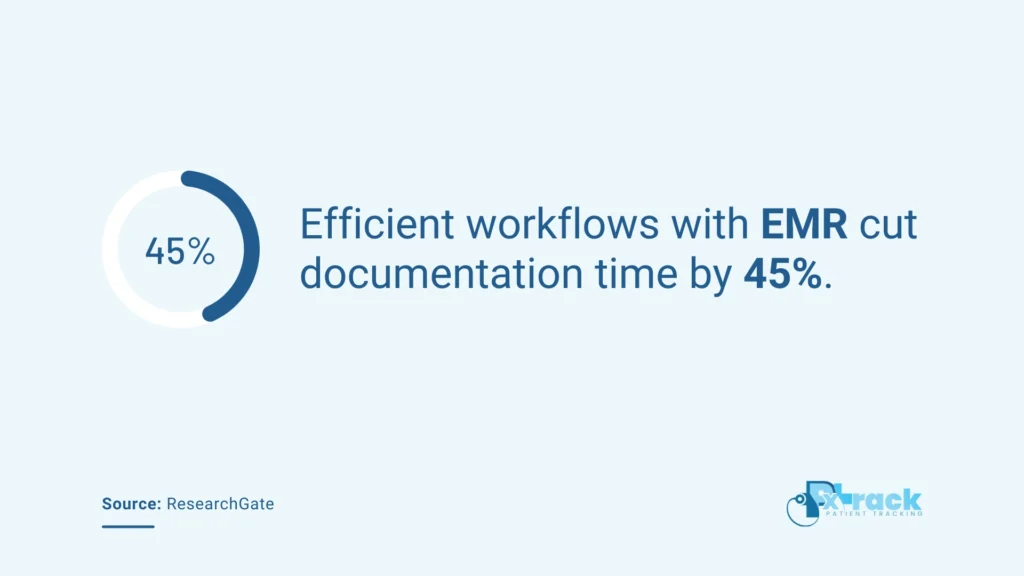
Source: ResearchGate
What are Patient Exam Workflows?
Patient exam workflows are sequences of administrative exams performed by multiple medical staff. They rely on patient records to develop a process that results in a positive outcome.
Exam workflows revolve around a series of steps that include the following:
- Patient registration;
- History background;
- Diagnostic tests;
- Consultation, and
- Treatment planning.
These examination workflows rely on clinical documentation, which can have certain limitations. One challenge of using physical documents is that repeated use over extended periods results in damage or loss.
Additionally, these workflows are complex to update in real-time and may result in limitations when exchanging information within the clinic.
Benefits of Using EMRs with Patient Exams
Electronic medical records are implemented within a healthcare facility to improve efficiency. To fully experience their benefits, patient workflows should be optimized, allowing the EMR software to effectively streamline the clinic’s routine processes.
EMR software provides several key features that benefit patient exam workflow:
Detailed Patient Data Entry
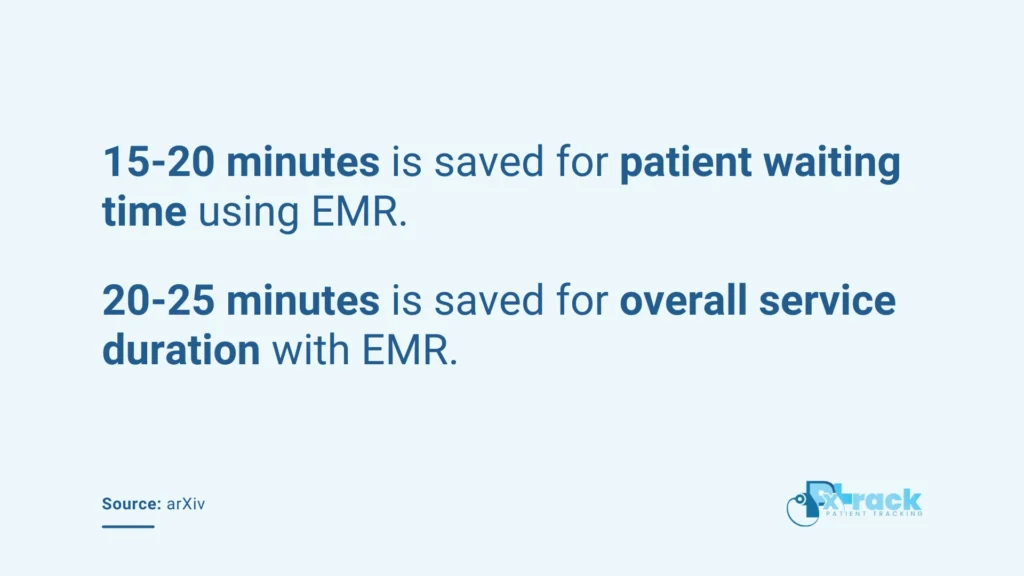
EMRs allow for comprehensive and correct data recording. Users can record medical data ranging from patient history to recent test results. This enables healthcare providers to access up-to-date records easily while minimizing potential errors. As a result, it reduces patient waiting times since all the information needed is within the system.
Source: arXiv
Secure Data Storage and Access Control
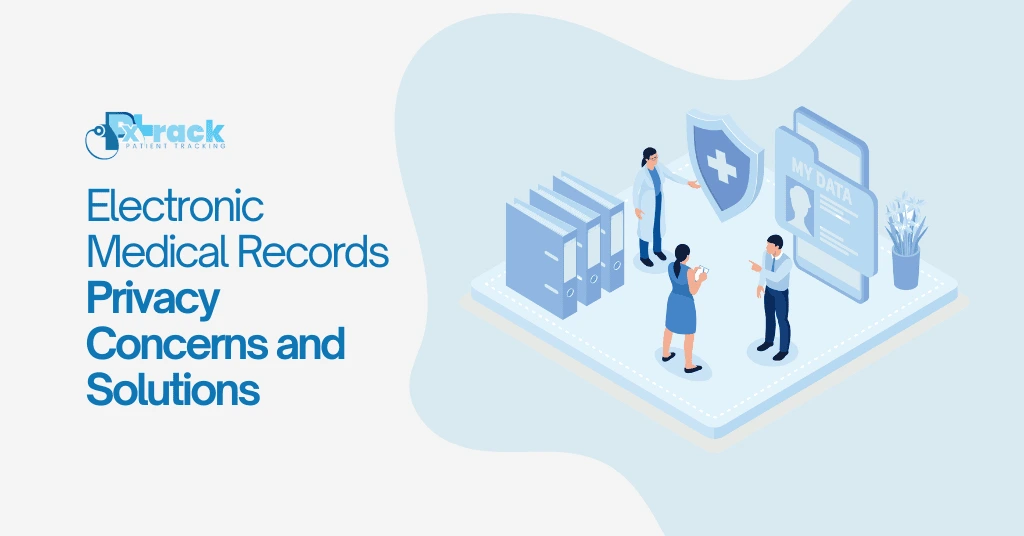
In addition to efficient and accurate data storage, EMR systems prioritize data security and privacy. Patient information is encrypted and protected from unauthorized access. This ensures patients’ data privacy and compliance with regulations.
Flexibility within Duties
Medical data records improve healthcare professionals’ flexibility. Clinic staff can access records anytime through internet-enabled devices, including desktop, mobile, and tablet devices. This supports real-time decision-making across various care settings.
Impact on Doctors’ Work Quality
EMRs are reshaping how the healthcare sector operates, enhancing both efficiency and quality of care. The system allows medical practitioners to serve a broader range of patients while saving time searching for patient data, results, and reports.
The key features of EMR systems benefit patient workflows by ensuring accurate, accessible data for proper planning. Healthcare professionals rely on a patient’s medical history and other relevant information for varied care-related reasons.
Accuracy Resulting in Safer Care
Accurate data ensures patient safety since medical professionals and clinic staff need to know about a patient’s current medical conditions. These conditions might affect treatment processes. Any incorrect medical history or data can lead to patient misdiagnosis and adverse reactions.
Simplified Examination Process
Convenient access to up-to-date patient information can help medical professionals make more informed approaches. They can minimize the time needed for patient care with streamlined examinations.
Enhanced Quality Care
Electronic Medical Record systems enable medical professionals to make precise examinations. The accuracy of the recorded data gives them a reference when making examinations that match unique patient cases.
More personal examinations can also lead to accurate diagnosis and appropriate interventions for patient improvement.
Utilizing Patient Exam Workflows in Healthcare Practices
Healthcare practices continue to shift in response to the ever-dynamic healthcare landscape. The demand for more streamlined services, such as efficient patient exam workflows and data access, is steadily rising.
Implementing Electronic Medical Records, like PxTrack, is a key step toward ongoing innovation in the industry. It allows medical professionals to store and access patient records anytime, anywhere online. To stay ahead in delivering efficient, patient-centered care, now is the time to implement digitalization with a reliable EMR system.

This article was updated on May 27, 2025.
FAQs About Patient Exam Workflows
What are the common challenges in managing a patient workflow?
Among the challenges are manual documentation, data loss, inconsistent communication, and lack of real-time updates. But these can be mitigated by implementing a reliable EMR system.
Can a patient workflow be customized for different specialists?
Yes. Patient workflows can be tailored to match the specific needs of various medical practices, ensuring relevance and efficiency in every care setting. Having a secure, cloud-based EMR can even provide better work processes.
How do patient exam workflows contribute to clinical accuracy?
Structured workflows ensure every step is never skipped, resulting in more accurate diagnoses and appropriate interventions.