Enhancing Immunization Tracking with EMR Systems
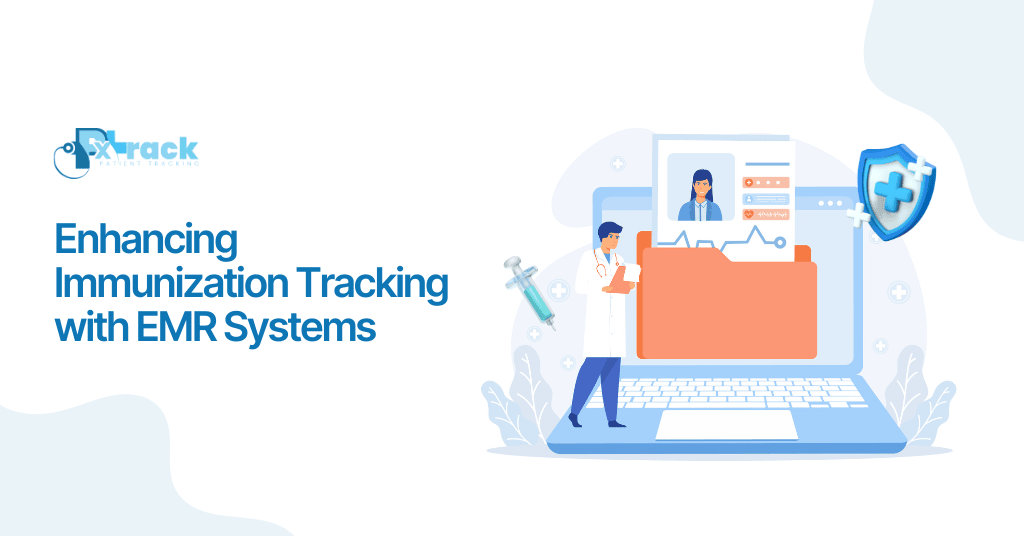
Adopting Electronic Medical Record (EMR) systems continues to ramp up in healthcare facilities across the Philippines. Medical practitioners turn to EMRs to improve workflows and patient care. One vital feature transforming digital healthcare is immunization tracking, which enables providers to monitor vaccination schedules and ensure timely administration of doses.
More hospitals within the country have started going digital to efficiently track patients’ conditions, progress, and vaccination history. This approach strengthens both clinical accuracy and public health management while reducing administrative burdens and paperwork.
Why Immunization Tracking Matters
Modern EMRs are equipped with a variety of features that record numerous medical histories and confidential patient data. They not only streamline the process but also provide healthcare providers with essential information in administering necessary booster doses. This improves vaccination compliance and reduces the risk of missed or duplicate shots.
According to the World Bank, the DPT (Diphtheria, Pertussis, and Tetanus) immunization rate for children was 89% in 2023, reflecting the need for more robust tracking systems.
EMR systems help ensure that each patient receives the right dosage at the right time. As a result, it minimizes the risks of under-vaccination or adverse reactions due to simultaneous shots. This leads to better patient outcomes and more confident decision-making among medical providers.

Key Features of Immunization Tracking in EMR Systems
EMR systems, such as in the Philippines, include features on top of recording patient data. It allows medical professionals to efficiently access patient information.
A robust immunization tracking module within an EMR system includes the following:
- The type of vaccine administered;
- Vaccination date, and
- Dosage details.
These digital records assist clinicians in scheduling future doses and reducing vaccination errors. Unlike manual records, EMRs allow quick access to patient histories, saving time and enhancing care accuracy in fast-paced clinical settings.
How EMR Systems Safeguard Immunization Data
Electronic Medical Records include a range of security measures to ensure the confidentiality of sensitive patient information. Immunization data records are safe within a secure EMR system.
Firstly, the system only allows authorized healthcare professionals to access patient information. It uses standard authentication methods to ensure that only those with legitimate access can view data records while blocking unauthorized individuals.
Moreover, the encryption feature ensures that the data remains protected from unauthorized access. This ensures essential data is secure during transmission and while in storage.
Additionally, some EMR systems include a backup and recovery feature. This ensures that automatic copies of data are generated and stored, allowing for recovery during emergencies like data corruption, breach, and loss. This security framework supports regulatory compliance and builds patient trust.
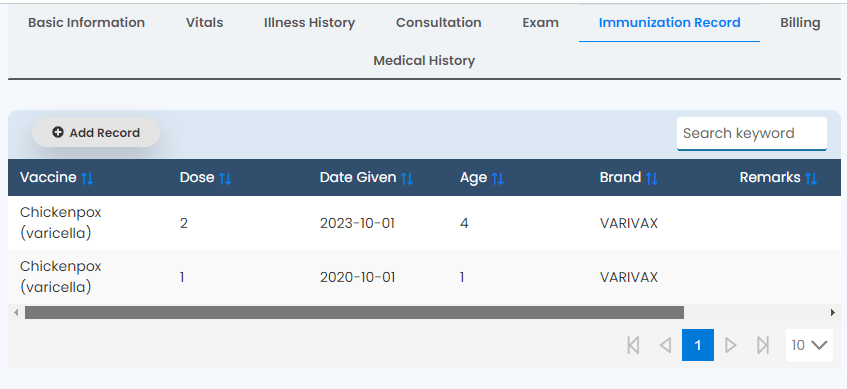
Immunization records provide the references for when patients should receive their next vaccination dosages. Proper timing is vital to ensure safe and effective immunization. This level of precision supports public health goals and reduces the likelihood of outbreaks.
This system helps healthcare professionals access critical data quickly and accurately. It significantly reduces vaccination errors while ensuring the safety and well-being of others.
PxTrack is a comprehensive EMR system with an immunization records feature. It helps boost the clinic’s productivity through digital efficiency. Simplify your immunization tracking with accurate records, timely scheduling, and seamless access to patient vaccination data.

This article is updated on July 02, 2025.
FAQs About Immunization Tracking
How does immunization tracking improve patient care?
It helps ensure that patients receive their vaccinations on time and with the correct dosage. This reduces health risks caused by missed or delayed doses. It also enables medical staff to make informed, real-time decisions, leading to better health outcomes and increased trust.
Can an EMR system handle different vaccine types and schedules?
Absolutely. EMR systems support various vaccine types (e.g., DPT, MMR, flu, etc.) and track unique schedules, dosages, and administering healthcare providers per patient.
Is immunization data secure in an EMR system like PxTrack?
EMRs like PxTrack use role-based access control, data encryption, and automated backups to safeguard sensitive immunization and patient data. Experience first-hand — contact us for a free demo.