Enhancing Maternity Clinic Services with EMR Systems
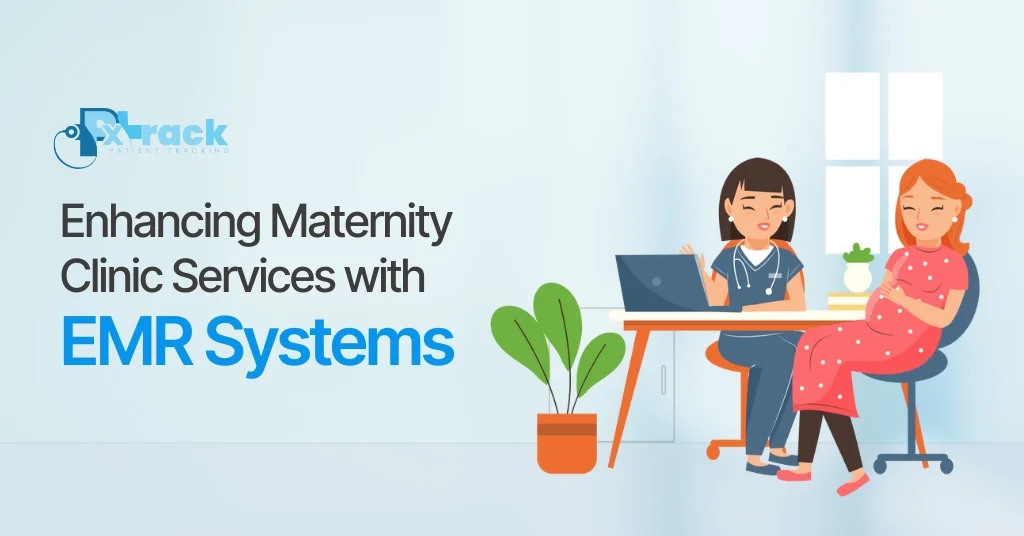
Maternity clinics are vital in delivering specialized care to expectant mothers and babies. Many facilities in the Philippines adopt Electronic Medical Records (EMR) systems to enhance their services. Traditionally reliant on paper-based documentation, clinics often face challenges storing, retrieving, and securing patient information.
With the Universal Health Care Law driving digital transformation, EMR systems equip maternity clinics with a streamlined workflow, automated documentation, and secure data management. This shift helps healthcare providers improve accuracy, reduce administrative routine tasks, and focus more on patient care delivery.
The Importance of EMRs in Maternity Care
Many healthcare Institutions have already adopted EMR systems to improve service delivery. Unlike paper-based methods, EMRs digitally store patient data in a centralized and secure platform. Cloud-based options even allow authorized staff to access information from any internet-connected device, ensuring faster and more efficient care.
Some systems also feature patient portals, enabling maternity clinic patients to:
- View their health records;
- Get information about their pregnancy;
- Edit their personal data, and
- Make appointments anytime, anywhere.
For maternity clinics, these capabilities translate to greater efficiency, improved patient communication, and stronger data management.
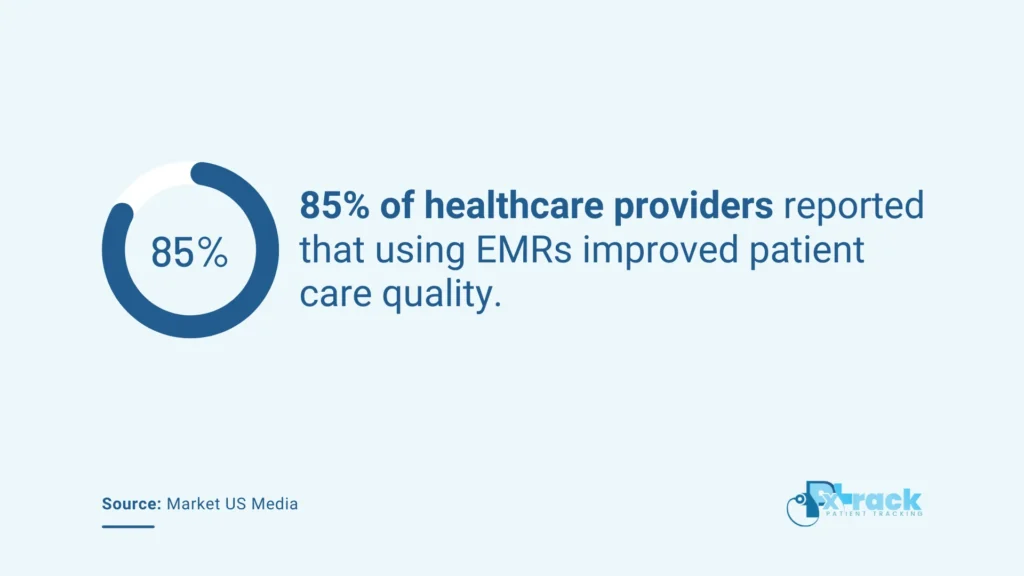
Source: Market US Media
The Perks of EMRs for a Philippine Maternity Clinic
Automates Administrative Tasks
EMRs can manage and automate the majority of routine administrative tasks. In addition, the system lets you monitor and track patients. It can also lessen the workload of staff, specifically admin staff. This way, the clinic can focus on more critical tasks.
Creates Prescriptions
Maternity care Clinics will appreciate the assistance of an EMR in generating prescriptions.
Firstly, the system manages and records medications for more transparency. EMRs can even suggest patient medications! Next, the system can provide clear medication orders and correct dosages, especially for expectant mothers. This can result in lower risks, ensuring the safety of patients.
Assists with Patient Documentation
Documentation is an essential consideration for clinics. It ensures that the institution has a comprehensive record of its patients and their conditions for current and even later use.
An EMR can reduce documentation time, saving healthcare providers’ time with data collection. Clinic staff won’t have to spend too much time printing health documents whenever patients ask for a copy.
Monitors Clinic Patients
For patients with particular health conditions, an EMR is handy for tracking their condition or progress. Thus, the patients of maternity healthcare providers can benefit from this feature.
In fact, other EMRs enable patients to submit data concerning their current health issues. Its system can record patient vitals to track their condition. Instead of paper, patients can fill out a digital form via an application, a pop-up, or even a QR code.
Ensuring Patient Data Security
An electronic medical records system holds highly confidential patient information, making data security a top priority for maternity clinics. Compliance with Data Privacy laws safeguards patient trust and meets legal requirements.
Beyond securing records, clinics should also maintain transparency by informing patients about how such data is used and why such data is used. This not only strengthens security but also builds confidence in the quality of care provided.
Ensures Patient Accessibility
An EMR enhances accessibility for maternity clinic doctors and staff by centralizing patient records in one secure platform. Authorized personnel can quickly retrieve and update medical histories, test results, and treatment notes without sifting through paper files.
This streamlined access reduces delays, minimizes errors, and ensures that providers have accurate, up-to-date information at every stage of care. By improving record accessibility, clinics can strengthen collaboration among healthcare teams and focus more on delivering quality maternal care.
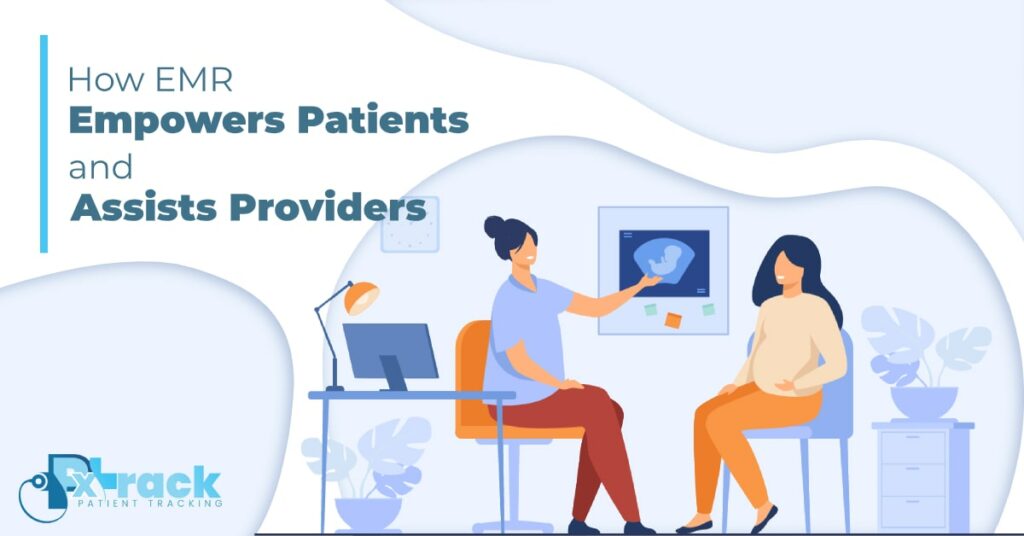
Provides Healthcare Information
Unlike simple record storage, EMRs can equip maternity clinic staff to organize and interpret clinical data more effectively. Doctors and nurses can quickly retrieve lab results, prenatal checkups, and past medical histories, allowing them to provide personalized care at every stage of pregnancy.
Additionally, EMRs support better collaboration among providers. Since records are centralized, different staff members can access consistent information, reducing errors and ensuring continuity of care from the first visit to delivery.
Provides Data for Reports
An EMR System is invaluable for generating clinical reports, which may be used for research, financial audits, etc. By collecting and organizing patient data over time, maternity clinics can easily prepare records for audits, compliance requirements, and internal evaluations.
Additionally, EMRs can make it possible to analyze demographic and clinical trends, such as patient age groups, prenatal visit frequency, or common conditions. These insights help clinics improve decision-making, optimize resources, and enhance overall quality of care.
EMR Concerns of a Maternity Care Clinic
Requires Training for Efficient Utilization
Maternity healthcare staff must be involved with the Electronic Medical Records System. Thus, training is essential for accurate and efficient EMR use. Regular refresher courses on system usage can also help ensure consistent adoption and system proficiency.
Limited Adoption Depending on Location
Most EMR Systems are used by hospitals and clinics in urban areas, especially areas with Internet connections. In particular, Internet connections are critical for cloud-based EMRs. In rural settings, however, adoption can be slower due to limited connectivity and resources.
Data Privacy Concerns
Medical patients must submit detailed personal information to digital systems like EMRs. So, maternity care clinics are required to apply strict security protocols and comply with data privacy regulations to protect sensitive patient information.
Conclusion
In the past, maternity care clinics relied on paper-based records to manage patient information. Today, an Electronic Medical Records (EMR) system provides a more secure and efficient way to document, store, and manage clinical data.
With features that streamline documentation, generate prescriptions, and produce accurate reports, EMRs help maternity clinics improve care delivery and reduce administrative burdens.
Not only that, these systems empower healthcare providers to focus on what matters most, ensuring the health and safety of mothers and their babies.
Indeed, an EMR isn’t just a place to input or collect information. By adopting EMR solutions tailored to their needs, maternity clinics can embrace modern, data-driven care that supports clinical efficiency and patient well-being.
Fortunately, established providers of EMRs in the Philippines like PxTrack are designed to meet these goals. They offer maternity clinics a reliable and comprehensive EMR system for modern care.

This article was updated on September 23, 2025.
FAQs About Maternity Clinic EMRs
What is an EMR system in a maternity clinic?
An Electronic Medical Records (EMR) system is a digital platform that allows healthcare facilities like maternity clinics to store, manage, and access patient information securely. It replaces paper records with automated documentation, streamlines workflows, and supports healthcare providers in delivering efficient and accurate maternal care.
How does an EMR benefit maternity clinic staff?
An EMR reduces paperwork, automates routine tasks, and provides easy access to patient histories. This helps doctors, nurses, and staff save time, reduce human errors, and focus more on patient care. It also enables better coordination among team members handling maternal health services.
Can EMRs help improve patient safety in maternity clinics?
Yes. EMRs can efficiently generate accurate prescriptions, track patient progress, and document maternal health conditions. With a reliable system like PxTrack, providers can make safer medical decisions, ensuring the health of the mother and baby during pregnancy and postnatal care. Contact us for a free demo today!