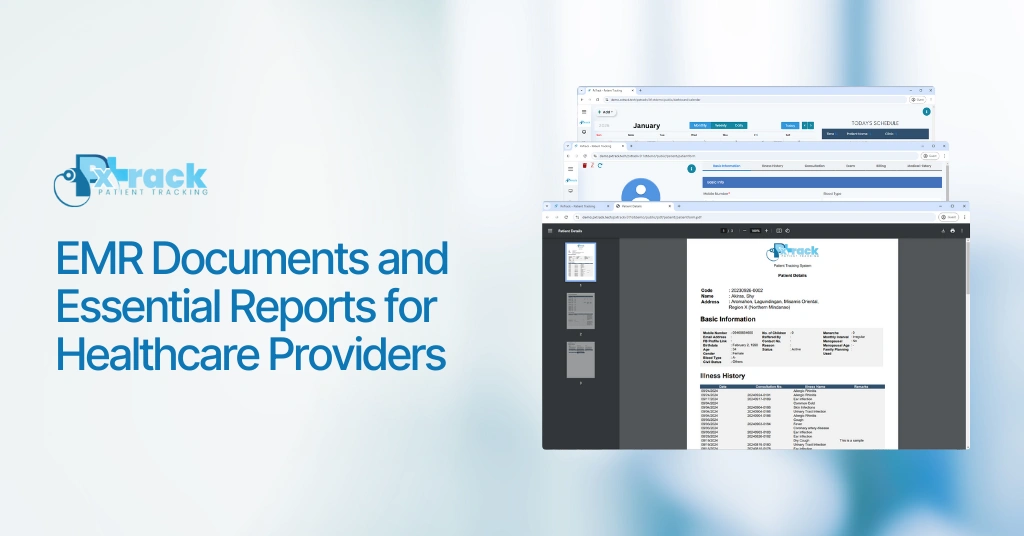
EMR Documents and Essential Reports for Healthcare Providers
Electronic Medical Records (EMRs) are more than digital patient files. They are essential tools for efficient, accurate, and safe healthcare. EMRs give medical staff instant access to vital information, enabling better clinical decisions and improved outcomes.
The global EMR market is growing rapidly, driven by healthcare digitization, demand for interoperable systems, and the need for streamlined care. By 2033, it is expected to exceed $31.55 billion as providers invest in digital records to improve efficiency.
In the Philippines, EMR adoption is gaining momentum as hospitals and clinics transition from paper‑based systems to digital workflows. The country’s EMR market is projected to grow significantly over the next decade, driven by investments in digital health, improved data exchange, and patient‑centric care.
Essential EMR Documents for Your System
EMR systems streamline billing and generate key documents such as Medical Certificates, Prescriptions, and Consent Forms. These documents provide timely, accurate information to staff, supporting efficient care and decisions.
Medical Certificate
Medical practitioners generate EMR Certificates using existing record details. The three most common types are:
- Fit to Work
- Advised to Rest
- Fit to Travel
Certificates include patient details, complaints, and exam results, letting doctors clear patients for work, rest, or travel. Records are stored digitally, but certificates can also be printed as official documents.
Prescription
After a diagnosis is made, healthcare providers create prescriptions containing the personal details, medication instructions, and any necessary lab tests, X-rays, or specialist referrals. Many prescriptions have expiration dates, but all are permanently recorded in the EMR.
An EMR system can generate either a basic prescription or a full prescription plan. Automation allows prescriptions to be created, recorded, and sent seamlessly. It also enables quick authorization of medication refills and direct forwarding to partner pharmacies, so patients can pick up medications with minimal delay.
EMRs also track medications and alert providers to possible drug interactions. This ensures patient safety and smoother pharmacy workflows.
Consent Forms
Consent Forms must be signed by patients undergoing medical procedures, ensuring they can provide informed consent and understand the procedure and its risks. As noted in our predictions for the future of EMRs, including Consent Forms in your EMR system is essential, saving both time and paper records.
Obtaining signatures can be time-consuming, especially during emergencies, since informed consent discussions are necessary to educate patients about procedures. A recent study found that 40% of researchers considered time constraints a barrier to these discussions.
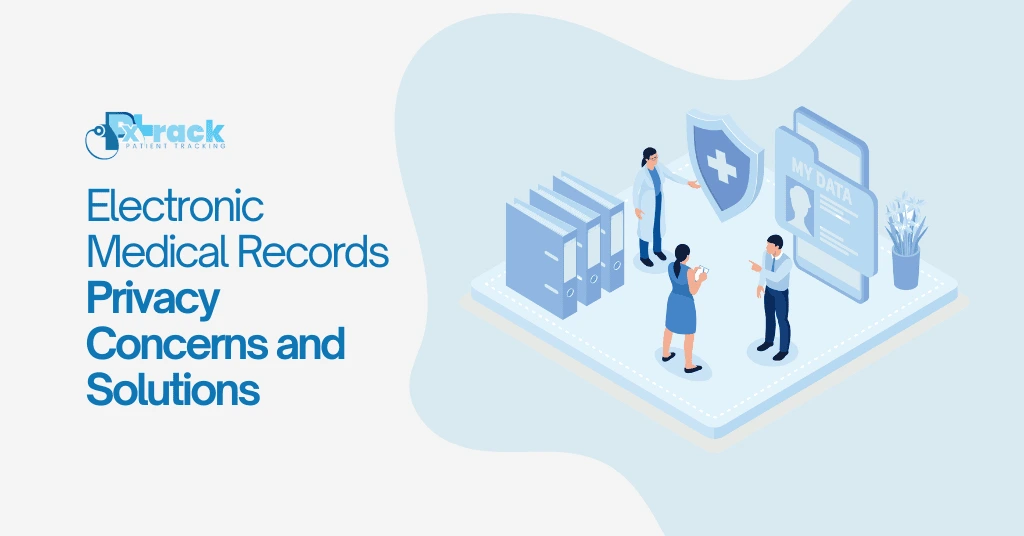
Additionally, Consent Forms must be handled carefully to comply with data privacy regulations and safeguard confidential patient information.
Final Thoughts
Electronic Medical Records automate documentation, reduce errors, and save staff time. They keep certificates, prescriptions, and consent forms accurate and accessible to support better care.
For hospitals and clinics, Electronic Medical Records in the Philippines can help manage essential records, support informed decision-making, and deliver efficient, secure patient care. Take the next step — explore implementing a robust EMR system today to streamline your workflows and improve patient outcomes.

This article was updated on January 30, 2026.
FAQs About EMR Documents
How do EMRs improve patient care?
EMRs provide instant access to patient information, help track medications, prevent errors, and streamline communication among medical staff, leading to faster, safer, and more informed care.
Can EMRs generate prescriptions and consent forms automatically?
Yes. Modern EMR systems can generate prescriptions, consent forms, and other documents while maintaining accuracy, compliance, and secure storage. Contact us to schedule a free demo.
Are EMRs secure in protecting patient data?
When implemented correctly, EMRs follow strict data privacy protocols, encrypt sensitive information, and ensure compliance with healthcare regulations.