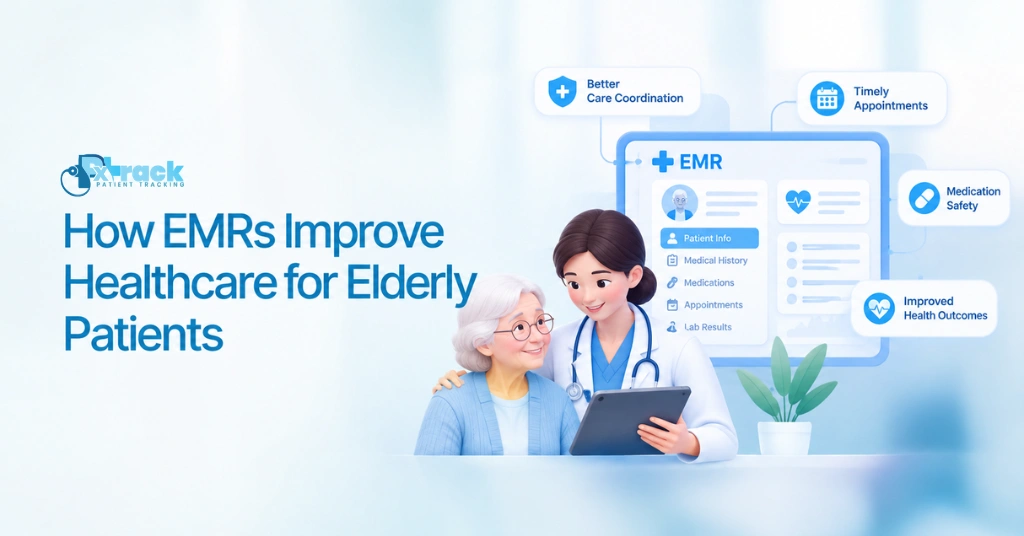
How EMRs Improve Healthcare for Elderly Patients
How do EMR systems meet the healthcare needs of elderly patients? EMR systems track medical history, medications, allergies, and test results in one place. This gives clinics faster, safer care for older adults, who use health services more than any other age group.
Key Takeaways
- The 65-and-over population reached 857 million in 2025 and will hit 1.58 billion by 2050, per the UN Population Division.
- EMR systems cut medication errors and repeat testing for elderly patients with complex prescriptions.
- Interoperability, data privacy rules, and staff training remain the top three barriers to EMR adoption in elder care.
- Patient portals let elderly patients manage prescriptions and records without a clinic visit.
Nowadays, most people live in societies where people have more access to food and water. As a result, people can live longer lives; the global population aged 65 and older reached 857 million in 2025 and is projected to reach 1.58 billion by 2050, according to the United Nations Population Division.
So, Electronic Medical Records can help professional caregivers handle the Healthcare Needs of the Elderly. Many elderly patients now use mobile devices, so they can access healthcare services remotely.
The aging population faces challenges that differ from younger generations. Clinics need an EMR built for those needs: a system that can track elderly patients’ medical histories, medications, allergies, medical tests, and more. Electronic Medical Records can do this and more, improving care for elderly patients.
Even its counterpart, Electronic Health Records, still fall short for elderly patients. Here’s how to cater to your clinic’s elderly patients.
How EMR Systems Support Elder Care
Older adults now live longer with fewer physical limitations, thanks to better procedures and medications. They handle day-to-day tasks more easily than previous generations did at the same age.
Medical institutions still need to plan for elderly patients, especially those who are disabled or manage chronic conditions. Elderly people use significantly more healthcare services than younger age groups, according to the National Institute on Aging.
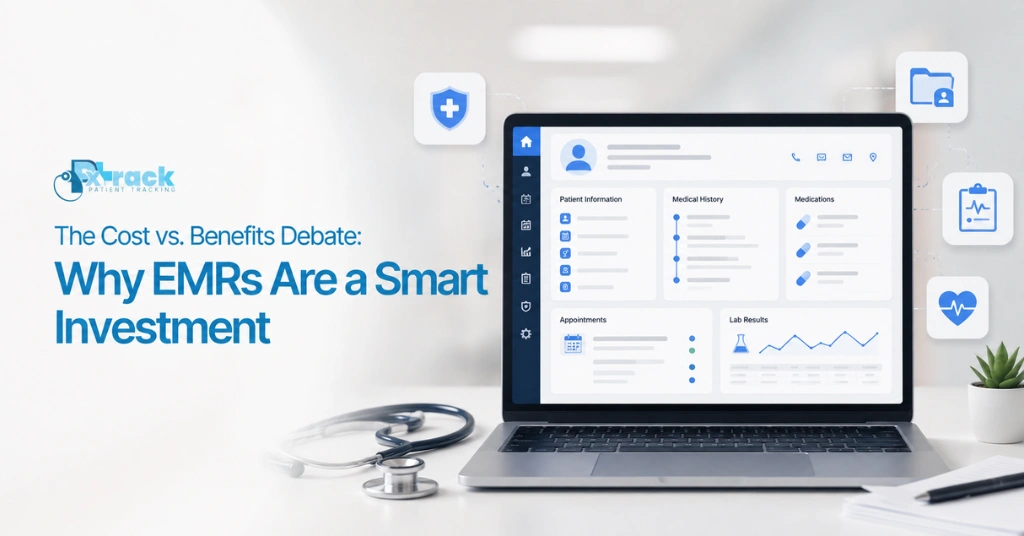
Electronic Medical Records Systems give elder care teams a real advantage. EMR Systems let you access medical records instantly and support specialty-specific workflows, whether for Pediatrics or Maternity Care. Providers pull up patient information in seconds and act on it faster. This speeds up diagnosis and treatment.
What Makes Elderly Patient Care Different
Elderly patient care isn’t limited to those with chronic conditions. Many healthy older adults live at home without frequent hospital visits or care-home stays.
Telehealth use among Medicare beneficiaries who qualify by age sat at 23% in 2024, according to the Kaiser Family Foundation, citing CMS data. That’s lower than the 2020 pandemic peak but still nearly double pre-pandemic levels. Telemedicine still has one core limitation: clinics can’t observe patients in person.
Here are the three issues clinics face most often:
EMR Interoperability for Elderly Patients
Electronic Medical Records benefit healthcare providers now, and collaboration between providers keeps improving. Specialists in fields like dentistry or dermatology can already view a patient’s digital records in many connected systems, which interoperability supports and improves care coordination.
Elderly patients sometimes skip sharing their full health history because they don’t see the value. Specialists working under time pressure can’t always gather that data through conversation alone. Interoperability keeps closing this gap and will keep improving elder care quality.
Healthcare Provider Regulations
Elderly healthcare providers must follow data privacy and security regulations that change often. EMR Systems handle private, sensitive information, so documentation and reporting requirements need regular review.
Patients deserve control over their own data, including the right to limit how clinics use their records. Clinics using EMR Systems need clear privacy policies and regular staff training on regulation updates. EMR Systems benefit healthcare professionals, but patient data safety has to come first.
Slower EMR Adaptation in Elder Care
Some clinics face staff shortages for elderly patient needs, and system cost still factors into adoption decisions. Clinics that weigh EMR options should compare total cost against staff time saved, not sticker price alone.
The learning curve remains a real barrier. Clinics close that gap fastest with structured staff training on day one, not months in.
EMR Benefits for Elderly Patients
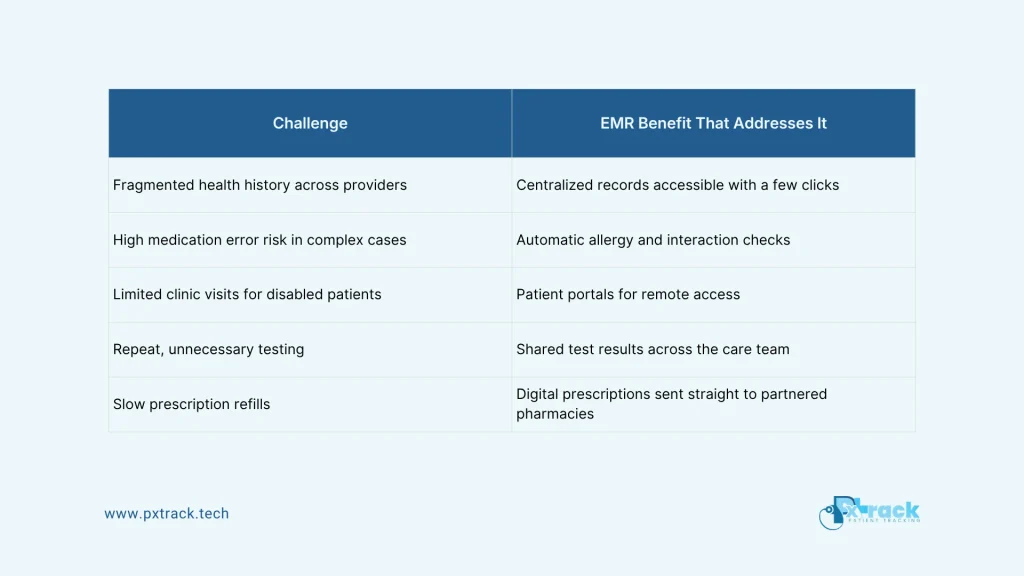
Beyond this table, EMR Systems empower patients in two more ways:
Increases Clinic Efficiency
An EMR flags elderly patients who need a higher level of care, since frailer or sicker patients often need priority scheduling.
Physicians reviewing full health records make better-informed care decisions faster. Specialists pull up progress logs, exam results, and operation history in one view, and digital record updates take seconds, not days.
Saves Costs Over Time
An EMR System requires upfront budgeting, staff training, and ongoing support. Cloud-based systems cut infrastructure costs further. Hospitals with higher EHR adoption levels see improved operating margins as readmission rates fall, according to a 2024 study in JMIR Medical Informatics, and the same efficiency gains extend to EMRs used in outpatient elder care.
EMRs also cut paper and office supply costs, since records live digitally. Clinics that switch report lower resource use in the first year and continued savings after.
Assists Elderly Patients with Prescriptions
Digital prescriptions help older adults manage complex medication schedules. As patients age, tracking multiple prescriptions and dosages gets harder, especially for patients on several medications at once. An EMR flags conflicts between new prescriptions, allergies, and existing medications automatically.
Clinics can also send prescriptions straight to a patient’s portal or a partnered pharmacy. This cuts the risk of lost paper prescriptions or missed doses, and patients pick up medication on their way out the door.
Get Your Clinic’s Elder Care EMR Right
EMR systems give clinics the tools to track, protect, and act on elderly patient data faster than paper records ever allowed. With an EMR System, elderly patients don’t need to repeat their medical history across different institutions. As a result, healthcare providers can make faster, better-informed treatment decisions.
Experience how Electronic Medical Records in the Philippines, like PxTraxk, support clinics treating elderly patients.

This article was updated on September 17, 2026.
Frequently Asked Questions
Do EMR systems reduce medication errors in elderly patients?
Yes. EMR systems flag allergy conflicts and drug interactions automatically, which cuts dosage errors common in patients managing multiple prescriptions.
What’s the biggest barrier to EMR adoption in elder care?
Staff training and system cost remain the top two barriers for clinics evaluating EMR options.
Can elderly patients access their own EMR records?
Yes, through patient portals, which let elderly and disabled patients view records and request prescriptions without an in-person visit.