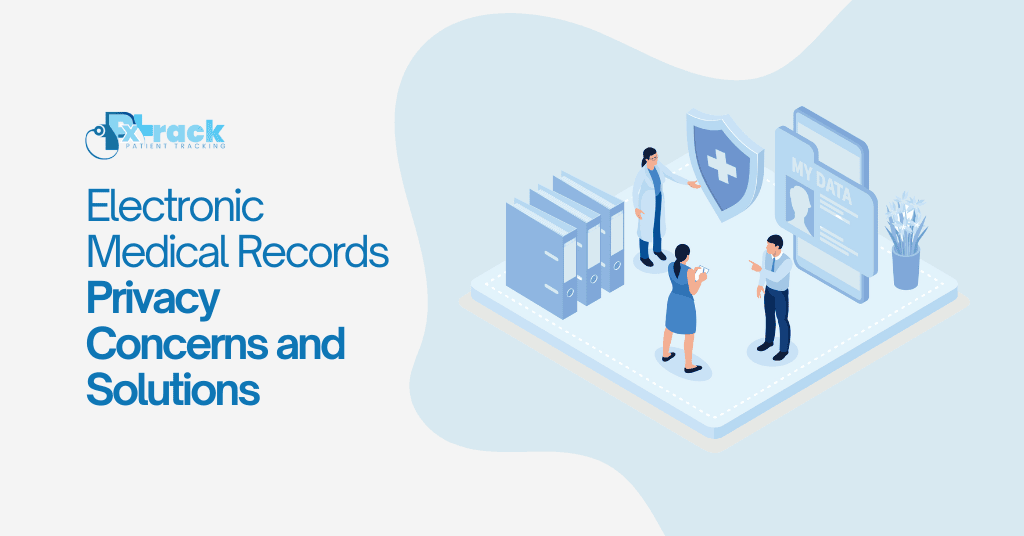
Electronic Medical Records Privacy Concerns
Electronic Medical Records (EMRs) empower healthcare professionals to efficiently manage clinical tasks, such as processing patient records and streamlining billing. However, safeguarding data on an EMR is paramount, requiring strict adherence to data privacy laws.
EMRs store personal and confidential information and enhance the efficiency of handling medical records. With the implementation of the 2019 Universal Health Care Act, also known as Republic Act No. 11223, the adoption of EMRs in the Philippines has gained traction, although data privacy remains a critical concern.
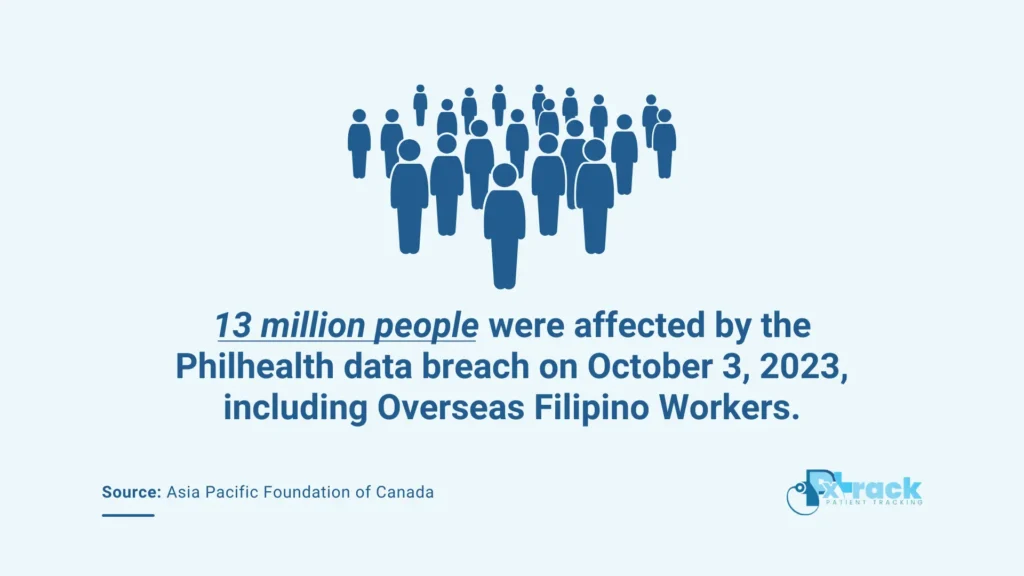
Source: Asia Pacific Foundation of Canada.
Health Information Privacy of EMRs in the Philippines
While the majority of the medical practitioners in the U.S. use EMRs, adoption in the Philippines is still evolving.
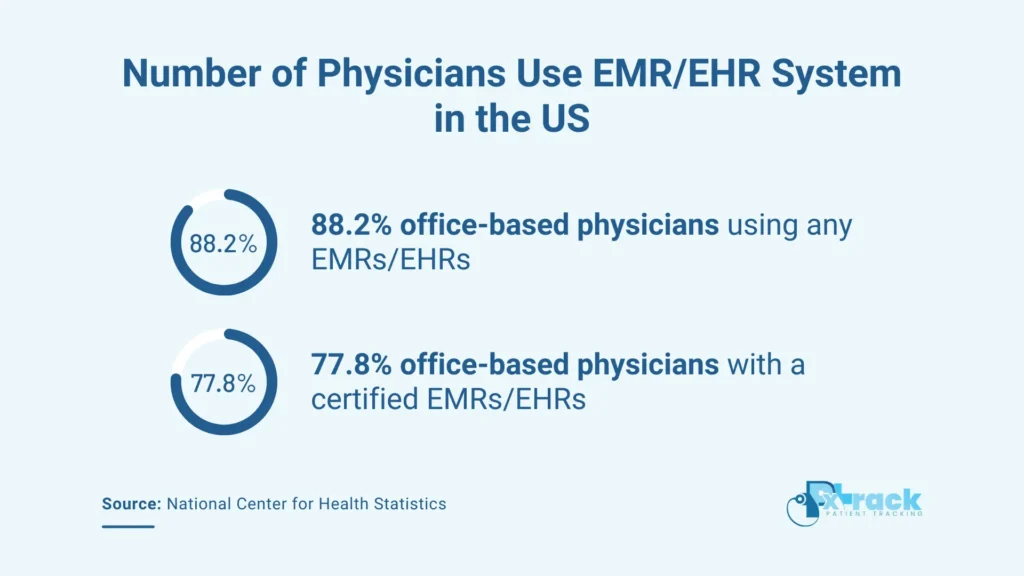
Source: National Center for Health Statistics.
Fortunately, rural healthcare facilities are increasingly integrating an EMR system, with studies from the National Library of Medicine showing improved performance in Rural Health Units (RHUs).
EMRs enhance the accessibility of patient data, enabling more informed clinical decisions. However, it’s still crucial to secure patient consent for any data-sharing agreements. Privacy concerns remain a complex issue, highlighting the need for transparency and strict adherence to data privacy laws.
Data Privacy Concerns and Solutions
Healthcare providers often collect and exchange necessary information of patient data among professionals, raising concerns about data confidentiality. Patients should be aware of how and why their personal data are utilized in healthcare settings, which is declared through privacy notices. This includes emphasizing the importance of data privacy laws and compliance to both parties.
There are a fair number of data privacy concerns, including the following:
- Guidelines for collecting and using electronic health data;
- Non-medical practitioners accessing confidential health information, and
- Using such confidential data for purposes unrelated to health or medicine.
To address these concerns, several strategies are recommended:
Unify and Standardize Health Information Privacy Regulations
Medical institutions and staff ensure data privacy by adhering to regulations that prevent unauthorized access or sharing of patient information.
Regular review of risks associated with processing, implementing security measures, and monitoring data-supporting assets can strengthen compliance and enhance the integrity of EMRs.
These practices build patient trust and improve a clinic’s reputation as a reliable healthcare institution.
Create a Culture Promoting Health Information Privacy
Creating a culture of privacy involves building awareness among healthcare institutions and professionals about data privacy, privacy policies, and industry standards.
This can include conducting training, sharing visual aids and privacy notices, and conducting regular reviews of contracts to ensure personal data processing aligns with intended purposes.
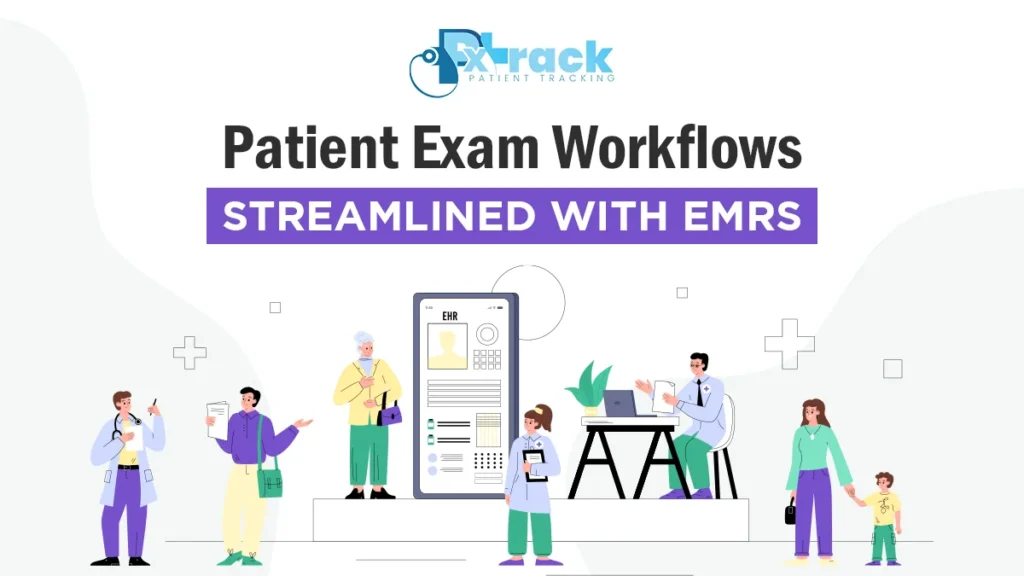
By integrating privacy-focused practices into patient exam workflows, healthcare facilities can promote responsible data handling and enhance trust.
Measures for Ensuring Electronic Medical Records Privacy
EMR systems are the best tools for managing medical data efficiently, with adoption rates increasing over time. Ensuring data security requires more than compliance with laws; it involves proactive measures to prevent hacking and data theft.
Safeguarding EMR system includes critical data security measures that you can follow:
1. Use Up-To-Date EMR Systems
Modern EMR systems, like PxTrack, are less vulnerable to attacks. They are developed with encryption features, making it difficult for hackers to decrypt data. In addition, regular updates ensure the latest security features are in place.
2. Prevent Data Breaches with Robust Security
To ensure your systems stand firm against attacks, it’s crucial to follow data security measures. Consider updating data-supporting assets like personal computers and tablet devices.
It’s also essential to protect them with antivirus and anti-malware software and use data encryption to add an additional layer of security.
3. Apply Secure and Unique Passwords
Using secure, unique passwords for each account minimizes the risks of unauthorized access to patient data. Avoiding password sharing also enhances security, and frequently updating passwords further reduces vulnerabilities to potential hacking attempts.
These measures can collectively contribute to a more robust defense against cybersecurity threats in healthcare settings.
Here’s our guide to using the most reliable EMR software:
Ensure Privacy Compliance with a Reliable EMR System
EMRs are making progress in the Philippine healthcare system, enabling better patient care. However, it’s crucial for healthcare professionals to be aware of data privacy laws and policies and serve the needs of patients without much issue.
With data privacy, clinics and other healthcare facilities can optimize the use of Electronic Medical Records in the Philippines to provide better patient care.
This blog was updated on December 27, 2024.
Frequently Asked Questions About EMR Privacy and Data Concerns
What is the most significant concern of EMR systems in the Philippines?
Many clinics face challenges in ensuring compliance with data privacy laws like the Philippines’ Data Privacy Act and Health Insurance Portability and Accountability Act (HIPAA) for international users, alongside risks of cyberattacks due to insufficient cybersecurity measures.
That’s why safeguarding confidential patient data against unauthorized access and breaches is a critical factor in choosing an EMR system.
What are the important considerations when choosing an EMR software?
Besides compliance with privacy laws, it’s essential to prioritize features such as:
- Robust encryption;
- User-friendly interfaces;
- Mobile compatibility;
- Customization for specific medical workflows, and
- Reliable customer support.
Are there limitations to EMR platforms?
Yes, some EMRs have limitations. But with PxTrack, healthcare practitioners can ensure it has the features needed for patient care and treatment. It can be customized, such as adding features for specific workflows.